Android Forex App Alerts: A Statistics-Based Setup Guide
Discover how trading statistics favor alert-driven approaches in forex trading with our Android app setup guide.
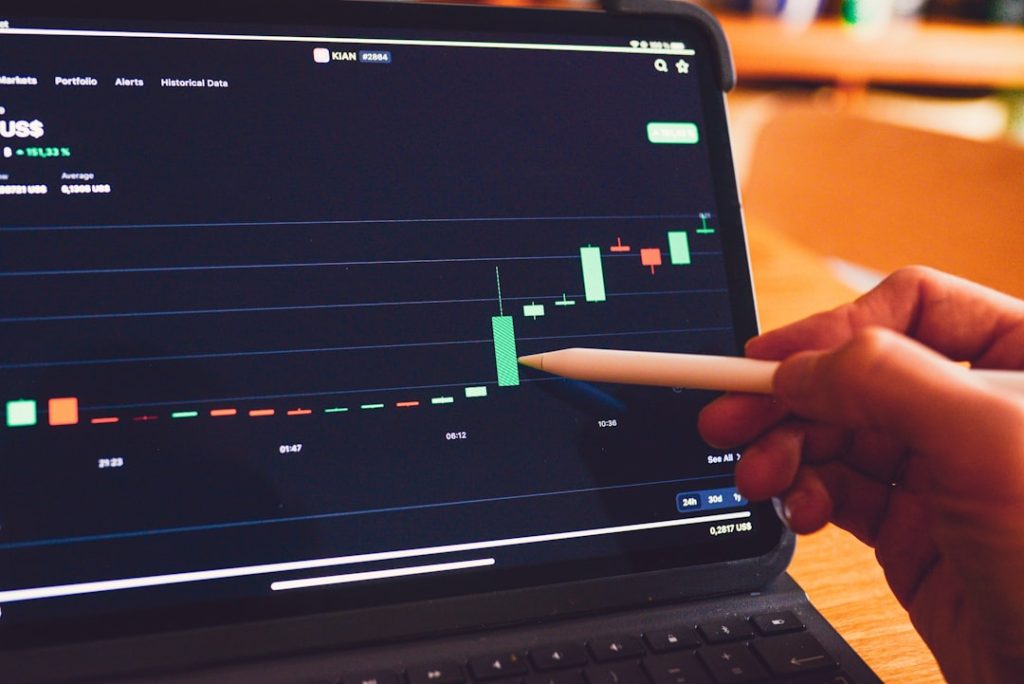
Reactive trading is one of the most studied sources of forex trading app android. Traders who respond to what already happened—rather than what they planned for—tend to enter late, exit early, and accumulate unnecessary losses. Configuring alerts within a dedicated trading application directly addresses this problem.
Table of Contents
- Why Do Trading Statistics Favor Alert-Driven Approaches?
- What Currency Pairs Benefit Most From Alert Monitoring?
- How Should Traders Use Economic Calendar Alerts?
- How Do You Combine Multiple Alert Types Into a Coherent System?
- What Are the Most Common Alert Mistakes Traders Make?
- Step-by-Step Alert Configuration on Android
- The Bigger Picture
Why Do Trading Statistics Favor Alert-Driven Approaches?
Research into trading behavior consistently distinguishes between reactive and proactive traders. Proactive traders define their conditions in advance. They set alerts, wait for confirmation, and act according to their plan. Reactive traders monitor charts continuously and make decisions under pressure.
The statistical outcomes reflect this difference. Trade journals and coaching data show that rule-based entries—the type enforced by alert systems—produce more consistent results across varying market conditions than entries made on impulse or observation alone.
What Currency Pairs Benefit Most From Alert Monitoring?
Higher-liquidity pairs generate cleaner technical signals, which makes alert configuration more reliable on instruments such as:
Major pairs involving the US dollar
Cross pairs with high daily trading volume
Pairs tied to economies with frequent scheduled data releases
Lower-liquidity pairs are more susceptible to erratic price behavior, which increases the likelihood of false alerts. Focusing alert setups on well-trafficked instruments reduces noise.
How Should Traders Use Economic Calendar Alerts?
Economic calendar alerts are among the most underutilized features in mobile trading platforms. They notify traders before major events occur, allowing time to:
Assess existing open positions
Widen or tighten stop placements based on expected volatility
Decide whether to sit out a release or trade the reaction
Statistical analysis of price behavior around high-impact news events shows consistent volatility spikes in the minutes immediately following data releases. Traders who are unprepared for these spikes tend to make worse decisions than those who planned for them in advance.
How Do You Combine Multiple Alert Types Into a Coherent System?
The most effective alert systems use confluence rather than single-condition triggers. Confluence means two or more independent conditions aligning at the same time. For example:
A price level alert fires as RSI approaches an extreme reading
A breakout alert triggers during a high-volatility session window
A moving average crossover coincides with a key support level
Each condition alone carries some probability. Combined, the statistical reliability of the signal increases meaningfully. Configuring alerts to catch these confluences—rather than isolated events—is what separates structured trading from guesswork.
What Are the Most Common Alert Mistakes Traders Make?
Setting levels too close to price — This causes premature notifications and leads to rushed, low-quality decisions.
Ignoring time-of-day relevance — An alert triggered during a low-liquidity session carries different implications than the same alert during peak hours.
Not documenting alert outcomes — Without tracking which alerts led to good setups and which were false signals, it is impossible to improve the system over time.
Failing to deactivate stale alerts — Old alerts based on outdated levels clutter the notification feed and dilute attention.
Step-by-Step Alert Configuration on Android
When working with a forex trading app android, a disciplined setup follows this sequence:
Review weekly charts to identify the key levels and conditions worth monitoring
Build alerts from the top timeframe down—weekly to daily to four-hour
Assign each alert a purpose: entry trigger, level approach warning, or position management signal
Set expiry dates for time-sensitive alerts so they do not linger past relevance
Log each alert alongside its outcome after the fact
The Bigger Picture
Alert systems do not make trading decisions—traders do. What alert configuration provides is a structured framework for consistent decision-making. The statistics support this approach. Build the system, track the outcomes, and refine continuously.
Key Points
- Reactive trading leads to late entries, early exits, and unnecessary losses due to decision-making under pressure.
- Proactive traders who set alerts and act according to their planned conditions achieve more consistent trading results than reactive traders.
- Higher-liquidity currency pairs produce cleaner technical signals that make alert configuration more reliable than lower-liquidity pairs.
- Economic calendar alerts enable traders to prepare for major events, which can lead to better decision-making during volatility spikes.
- Effective alert systems rely on confluence, combining multiple independent conditions to enhance the statistical reliability of trading signals.
- Common alert mistakes include setting levels too close to price, ignoring time-of-day relevance, and failing to document alert outcomes.