Maruti Suzuki car prices: Is it worth the hike this month?
Maruti Suzuki car prices are set to rise by up to Rs 20,000 this month due to increasing input costs. What does this mean for buyers?
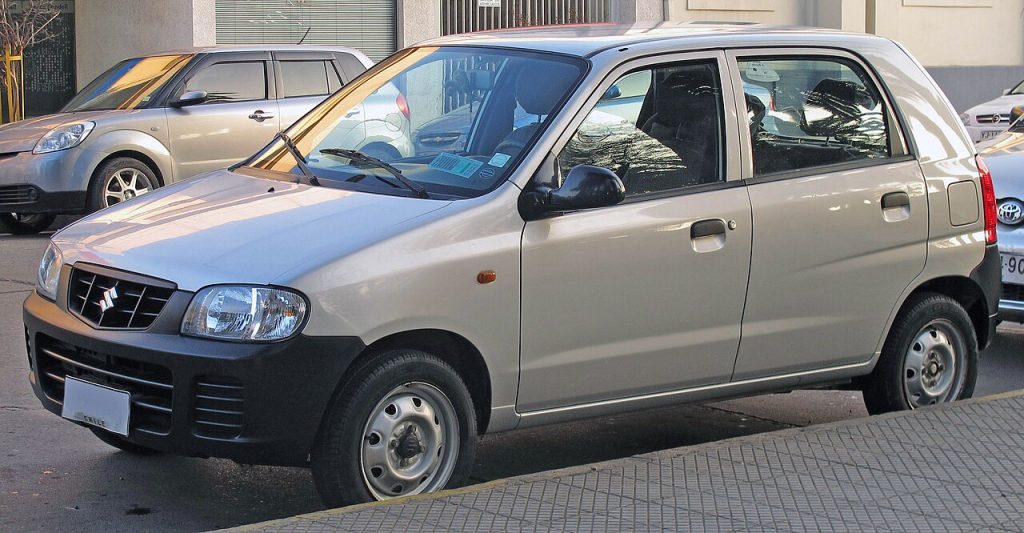
Maruti Suzuki car prices are increasing this month, with hikes of up to Rs 20,000 due to rising input costs. This change will affect many potential buyers in the market.
Reasons for the price hike
This month, Maruti Suzuki car prices are set to increase by up to Rs 20,000, prompting many consumers to question whether the hike is justifiable. Several factors contribute to this price adjustment:
- Rising Input Costs: The automotive industry has been facing escalating costs for raw materials, which directly impacts manufacturing expenses.
- Inflation: Overall inflation rates have surged, forcing companies to adjust their pricing structures to maintain profitability.
- Regulatory Changes: New environmental regulations may require additional investments in technology, further driving up production costs.
- Supply Chain Disruptions: Ongoing global supply chain issues have resulted in delays and increased costs for components.
As a result, potential buyers may need to weigh the benefits of purchasing a Maruti Suzuki vehicle against these rising car prices.
Impact on car buyers
The recent announcement of Maruti Suzuki car prices increasing by up to Rs 20,000 has stirred concerns among potential buyers. Many are questioning whether this price hike is justified given the current economic climate.
For car enthusiasts and everyday consumers alike, the implications of these new prices may vary. Here are some potential impacts:
- Budget Constraints: The increase may push some buyers to reconsider their budget, potentially delaying their purchase.
- Market Competition: Competitors may capitalize on this hike by offering promotions or discounts to attract buyers.
- Value Assessment: Buyers may need to assess if the features and reliability of Maruti Suzuki vehicles justify the new prices.
Ultimately, prospective customers will need to weigh the value of Maruti Suzuki car prices against their financial situation and preferences.
Comparison with competitors
In the current automotive market, Maruti Suzuki car prices have seen a significant increase, but how do they stack up against competitors?
Several key players in the industry have also adjusted their pricing, reflecting the ongoing challenges of rising input costs. Here’s a brief comparison:
- Toyota: Offers similar models with prices slightly higher than Maruti Suzuki, often justifying this with advanced technology and features.
- Hyundai: Their pricing is competitive, often offering better financing options, which may appeal to budget-conscious buyers.
- Kia: Known for their stylish designs, Kia’s prices can be on par with Maruti Suzuki but may provide additional features that attract younger consumers.
Ultimately, while Maruti Suzuki car prices are increasing, consumers need to weigh the value they receive against the competition.
Historical price changes
Over the years, Maruti Suzuki has seen several fluctuations in car prices, often influenced by market dynamics and production costs. Historical data reveals that the company has periodically adjusted its pricing strategy to maintain profitability while remaining competitive.
In 2021, Maruti Suzuki implemented a price increase ranging from Rs 15,000 to Rs 25,000 across various models, primarily due to escalating raw material expenses. Similarly, in early 2022, a hike of Rs 10,000 was noted as part of their annual review.
These patterns suggest that Maruti Suzuki car prices are not only reflective of operational costs but also responsive to external economic pressures. As the company announces another price hike of up to Rs 20,000 this month, consumers may wonder if the adjustments align with the overall value offered by their vehicles.
Expert opinions on the hike
Industry experts have weighed in on the recent decision by Maruti Suzuki to increase car prices by up to Rs 20,000 this month. Many believe that the rising input costs are a significant factor driving this hike. Rajesh Kumar, an automotive analyst, stated, “While the increase in Maruti Suzuki car prices may seem steep, it is necessary for the company to maintain profit margins amidst inflation.”
Another expert, Sarita Verma, emphasized the importance of adaptability in the market. “Consumers are likely to feel the pinch, but those looking for Maruti Suzuki vehicles might find them still competitively priced compared to other brands.”
However, some caution against the potential long-term impact on sales. “If prices continue to rise, buyers may seek alternatives,” she added, highlighting the need for Maruti Suzuki to balance quality with affordability.
Future trends in car pricing
The future trends in car pricing, particularly for Maruti Suzuki car prices, suggest that further adjustments may be on the horizon. Industry analysts predict that as input costs continue to rise, manufacturers may have no choice but to follow suit with price increases. This could potentially create a ripple effect across the automotive market.
Additionally, the shift towards electric vehicles and stricter regulatory standards could influence pricing strategies. Consumers may see varying price points based on the technology and features offered in new models.
Experts emphasize the importance of monitoring these trends, as they will significantly impact not only the affordability of Maruti Suzuki vehicles but also the overall competitive landscape. For potential buyers, staying informed will be crucial in making decisions moving forward.
Consumer reactions to the increase
Consumer reactions to the recent increase in Maruti Suzuki car prices have been mixed, with many expressing concern over the affordability of new vehicles. Some buyers feel disheartened by the hike, particularly those who were planning to purchase a car this month.
One potential buyer, Ravi Kumar, stated, “With prices going up by as much as Rs 20,000, I now have to reconsider my budget.” Meanwhile, others are more understanding, citing rising input costs as a necessary factor in maintaining quality.
Additionally, some loyal Maruti Suzuki customers argue that the brand’s reliability and service justify the increase. “I believe the value of a Maruti Suzuki car is worth the hike,” said another consumer.
As reactions continue to pour in, potential buyers are left weighing their options while assessing the impact of these new car prices.
Advice for potential buyers
As Maruti Suzuki car prices see an increase of up to Rs 20,000, potential buyers should consider several factors before making a purchase. First, assess your budget and determine if the new prices fit within your financial plans. Keep in mind that while the hike may seem significant, it could also reflect enhanced features or technology in the latest models.
Additionally, it’s essential to compare the updated prices with similar offerings from competitors. This comparison can help in evaluating overall value for money. Here are a few tips:
- Research thoroughly: Look into reviews and specifications of different models.
- Consider financing options: Explore loans or lease options that might ease the price burden.
- Timing your purchase: Sometimes waiting for festive offers can provide better deals.
Ultimately, understanding the implications of the price hike will help buyers make informed decisions in the evolving market.
via Wikimedia Commons
References
Related stories
Chery Q EV: Is It the Best 400km-Range Electric Car? · RTX 300 Adventure Motorcycle: The Best New Ride for Europe · Kia Sorento launch: Best Price and Features Revealed