100% Ethanol Vehicle: Is It the Best Alternative to Petrol?
100% ethanol vehicle is set to launch soon, offering a petrol-free driving experience. Discover what Nitin Gadkari has to say.
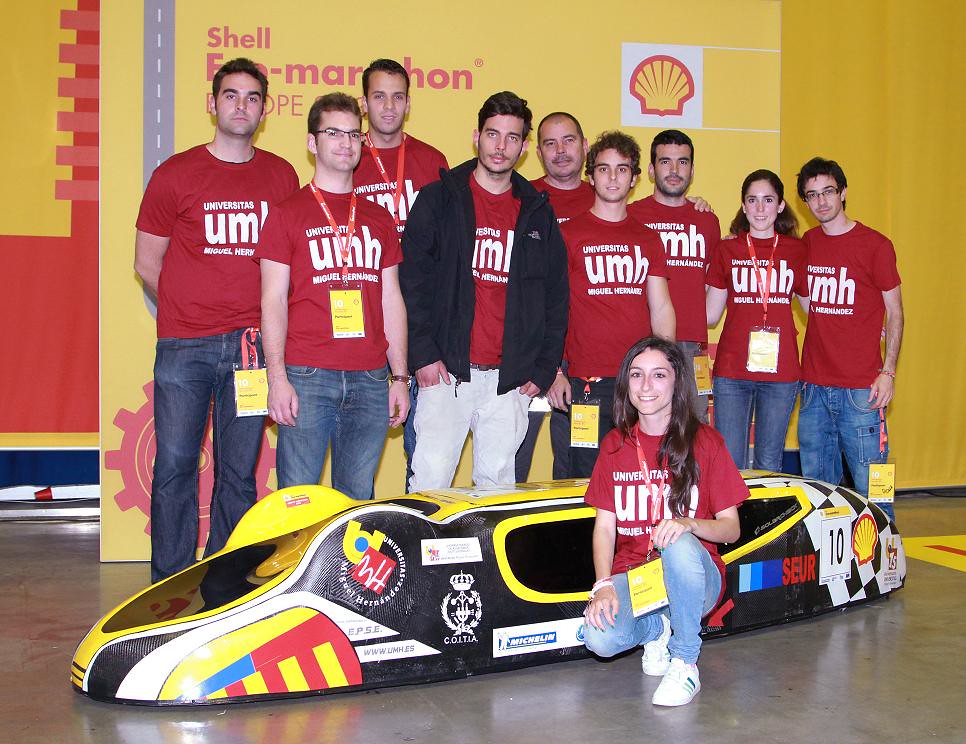
The 100% ethanol vehicle promises a revolutionary change in driving by eliminating the need for petrol. Nitin Gadkari’s upcoming launch is generating excitement in the auto industry.
What is a 100% Ethanol Vehicle?
A 100% ethanol vehicle is a type of automobile that operates solely on ethanol, a renewable fuel derived from plant materials. Unlike traditional vehicles that rely on petrol or diesel, these vehicles are designed to run efficiently on pure ethanol, reducing dependency on fossil fuels. Ethanol is produced through the fermentation of sugars found in crops such as corn, sugarcane, and various agricultural residues.
The shift towards 100% ethanol vehicles is driven by several key factors:
- Environmental Benefits: Ethanol combustion releases fewer greenhouse gases compared to petrol, contributing to lower air pollution levels.
- Energy Independence: By utilizing domestically produced ethanol, countries can reduce their reliance on imported fossil fuels.
- Economic Opportunities: The production and distribution of ethanol can stimulate local economies, creating jobs in agriculture and energy sectors.
- Vehicle Performance: Many modern engines are designed to run on high ethanol blends, offering improved horsepower and efficiency.
As automotive technology advances, 100% ethanol vehicles are being explored as a viable alternative to petrol, particularly in regions with abundant agricultural resources. With significant investments and supportive policies, these vehicles could play a crucial role in the transition to sustainable transportation.
Benefits of Ethanol Fuel
The push towards renewable energy sources has brought attention to the many benefits of ethanol fuel, particularly in the context of the 100% ethanol vehicle. This type of vehicle operates entirely on ethanol, offering several advantages over traditional petrol-powered cars.
- Environmental Impact: Ethanol is derived from renewable resources like corn and sugarcane, which can significantly reduce greenhouse gas emissions compared to petrol. By using a 100% ethanol vehicle, drivers can help lower their carbon footprint.
- Energy Independence: Utilizing ethanol can decrease reliance on imported fossil fuels, promoting energy security and self-sufficiency. This shift not only supports local agriculture but also stabilizes fuel prices.
- Performance: Ethanol has a higher octane rating than petrol, which can lead to improved engine performance and efficiency. Many drivers report better acceleration and responsiveness in a 100% ethanol vehicle.
- Economic Benefits: The production of ethanol supports local farmers and creates jobs in the biofuel industry. Additionally, the transition to ethanol can lead to lower fuel costs for consumers in the long run.
As discussions continue regarding the future of transportation, the benefits of ethanol fuel position the 100% ethanol vehicle as a promising alternative to petrol, paving the way toward a more sustainable automotive landscape.
Nitin Gadkari’s Vision for Ethanol Cars
Nitin Gadkari, the Union Minister for Road Transport and Highways, has been a strong advocate for the adoption of 100% ethanol vehicles in India. He believes that these vehicles can significantly reduce the nation’s dependence on fossil fuels and contribute to a more sustainable environment. Gadkari envisions a future where Indian roads are filled with vehicles powered entirely by ethanol, thus eliminating the need for petrol.
During recent discussions, he emphasized the advantages of ethanol as a clean and renewable fuel source. According to Gadkari, the shift to 100% ethanol vehicles not only supports the agricultural sector by utilizing locally sourced crops but also aids in reducing air pollution. He mentioned that such vehicles are expected to be launched in October, marking a significant milestone in India’s automotive industry.
Gadkari also pointed out that the government is committed to providing the necessary infrastructure for ethanol production and distribution. This initiative aims to create a robust ecosystem that encourages manufacturers to invest in ethanol technology. He stated, “This car won’t need petrol at all,” highlighting the potential for a complete transition to ethanol-powered transportation.
- Support for local farmers
- Reduction in air pollution
- Strengthened energy security
How Will This Impact the Auto Industry?
The introduction of the 100% ethanol vehicle is poised to significantly impact the auto industry in various ways. As countries strive to reduce their carbon footprints and transition to sustainable energy sources, the demand for vehicles that run on alternative fuels is rapidly increasing. This shift could potentially reshape the market landscape for car manufacturers.
One of the most immediate effects will be the need for automotive companies to adapt their production lines. Many manufacturers may need to invest heavily in research and development to create vehicles that can efficiently operate on 100% ethanol. This could lead to a surge in innovation within the industry as companies compete to offer the best alternatives to traditional petrol-powered vehicles.
Moreover, the rise of ethanol vehicles could encourage more extensive infrastructure development. Fuel stations may need to retrofit or introduce new pumps to accommodate ethanol fueling, which could create new business opportunities and jobs in the sector.
However, not all manufacturers may successfully transition to this new model. Companies that fail to embrace this change may find themselves at a disadvantage, potentially losing market share to those who can produce competitive ethanol vehicles. As a result, the auto industry could see a significant shift in dynamics in the coming years.
Overall, the evolution toward 100% ethanol vehicles represents not just a change in fuel type but a comprehensive transformation of the automotive landscape.
Comparing Ethanol and Petrol Vehicles
When considering the viability of a 100% ethanol vehicle, it’s essential to compare it with traditional petrol vehicles. Both fuel types have distinct characteristics that appeal to different segments of the market.
On one hand, petrol vehicles are widely used and have established infrastructure, making them more convenient for consumers. However, they also come with several disadvantages:
- Higher greenhouse gas emissions, contributing to climate change.
- Dependency on fossil fuels, which are subject to price fluctuations and geopolitical tensions.
- Potential health hazards due to exhaust fumes.
In contrast, a 100% ethanol vehicle offers notable advantages:
- Reduced carbon emissions, making it a cleaner alternative for the environment.
- Utilization of renewable resources, which can help in reducing dependence on fossil fuels.
- Support for local agriculture, as ethanol can be produced from crops like sugarcane and corn.
Nevertheless, the transition to ethanol vehicles is not without challenges. Issues such as fuel availability, vehicle performance, and consumer acceptance remain crucial factors. As Nitin Gadkari advocates for increased adoption of ethanol cars, the competition between ethanol and petrol vehicles will likely intensify, shaping the future of the automotive industry.
Challenges Facing Ethanol Vehicles
As the push for sustainable energy sources intensifies, the 100% ethanol vehicle presents an intriguing alternative to traditional petrol cars. However, several challenges must be addressed to fully realize its potential.
- Infrastructure Development: One of the primary hurdles is the lack of adequate refueling infrastructure. Ethanol stations are not as widespread as petrol stations, making it inconvenient for consumers to adopt this technology.
- Public Awareness: Many consumers remain unaware of the benefits and feasibility of 100% ethanol vehicles. Education and outreach campaigns are essential to inform the public about this alternative fuel.
- Performance Concerns: While ethanol has a higher octane rating than petrol, some users express concerns regarding performance, particularly in colder climates where ethanol can be less efficient.
- Production Costs: The cost of producing ethanol from biomass can be higher than extracting petrol, which can affect the overall pricing of ethanol vehicles and fuel.
- Environmental Impact: Although ethanol is renewable, the farming practices required for its production can lead to land use changes and other environmental issues that need careful management.
Addressing these challenges is crucial for the successful integration of 100% ethanol vehicles into the mainstream automotive market.
Future of Sustainable Transportation
The future of sustainable transportation is rapidly evolving, and the emergence of the 100% ethanol vehicle offers a promising alternative to conventional petrol-powered cars. As governments and environmental organizations push for greener solutions, ethanol vehicles are increasingly viewed as a viable option to reduce carbon emissions and dependence on fossil fuels.
One of the key advantages of ethanol vehicles is their ability to utilize renewable resources, such as agricultural crops, to produce fuel. This not only supports local economies but also encourages sustainable farming practices. In addition, advancements in technology are making these vehicles more efficient, which could lead to wider adoption and reduced costs over time.
However, the transition to 100% ethanol vehicles is not without challenges. Infrastructure development, including the availability of ethanol fueling stations, remains a critical concern that needs to be addressed. Moreover, consumer education about the benefits and capabilities of ethanol vehicles is essential to encourage acceptance.
As manufacturers invest in research and development, the potential for a more extensive lineup of ethanol vehicles increases. The question remains whether this shift will be sufficient to influence the auto industry significantly and alter consumer behavior on a large scale. Nonetheless, the commitment to sustainable transportation solutions is clear, and the journey toward a greener future is well underway.
The 100% ethanol vehicle presents an intriguing option for those seeking sustainable alternatives to traditional petrol. However, its viability as the best alternative to petrol remains a topic of debate among experts.
By Umh Sapiens via Openverse
Sources
Related reading
Is the Mercedes-Maybach S-Class Facelift the Best Luxury Car? · Volkswagen recall news: Is it safe for VW and Audi owners? · Mercedes-AMG Super SUV: The Best Reveal Coming Soon