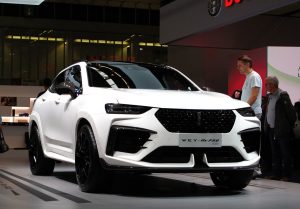
BMW car price increase: Is it worth the cost?
BMW car price increase will affect buyers in India starting October 2026.

BMW car price increase is on the horizon, with prices set to rise by up to 4 percent in India from October 2026. This change has significant implications for potential buyers.
Reasons Behind the Price Increase
The recent announcement regarding the BMW car price increase has sparked significant interest among automotive enthusiasts and potential buyers alike. Several factors contribute to this decision, prompting questions about whether the new pricing is justified.
- Inflation and Economic Factors: Global inflation has affected production costs, leading manufacturers to adjust their pricing structures. BMW, like many other automakers, is facing increased expenses associated with raw materials and labor.
- Technological Advancements: As BMW continues to innovate, the incorporation of advanced technologies into their vehicles often necessitates higher costs. Features such as enhanced safety systems, electric powertrains, and cutting-edge infotainment systems contribute to the overall price.
- Compliance with Regulations: Stricter environmental regulations in various markets, including India, require manufacturers to invest in cleaner technologies. This compliance can lead to increased costs that are subsequently passed on to consumers.
- Market Demand: The luxury car segment has seen steady demand, allowing BMW to implement price increases without significant backlash from buyers who are willing to pay for premium vehicles.
As the BMW car price increase approaches, potential buyers must weigh the benefits of owning a luxury vehicle against the elevated costs to determine if the investment is truly worth it.
Impact on BMW Sales in India
The recent announcement regarding the BMW car price increase has sparked discussions on its potential impact on sales in India. As prices are set to rise by up to 4 percent from October 2026, many consumers are left contemplating whether the investment in a BMW remains justifiable.
BMW has established itself as a luxury brand, attracting a niche clientele that often prioritizes quality and performance over cost. However, the impending price hike may influence purchasing decisions, especially in a market where competition is fierce. Analysts predict a mixed response among potential buyers:
- Luxury Market Resilience: Many affluent consumers may view the increase as a standard adjustment, maintaining their loyalty to the brand.
- Increased Competition: Brands like Audi, Mercedes-Benz, and Lexus might attract buyers who are sensitive to price changes.
- Shift in Consumer Preferences: The rise in ownership costs could lead some to explore more economical luxury alternatives.
Furthermore, the overall economic climate, including inflation and changing consumer priorities, will play a significant role in shaping the future of BMW sales in India. As the market adjusts, only time will reveal if the price increase significantly alters the brand’s appeal in this vibrant automotive landscape.
How Will Consumers React?
As BMW car prices are set to increase by up to 4 percent in India starting October 2026, consumer reactions are expected to be mixed. Many potential buyers will weigh the benefits of owning a luxury vehicle against the rising costs.
Some consumers may view the price increase as a deterrent, especially those on a budget or first-time luxury car buyers. Concerns about value for money may lead them to consider alternatives from competing brands that offer similar features at a lower price point.
On the other hand, established BMW enthusiasts and loyal customers might not be significantly swayed by the price hike. They often prioritize brand prestige, performance, and the overall driving experience over cost. For them, the increase in BMW car prices may be seen as a reflection of the vehicle’s quality and innovation.
Additionally, the timing of the price increase might also influence consumer sentiment. With the market becoming more competitive, some buyers may rush to make a purchase before the price adjustment takes effect.
Ultimately, how consumers respond to the BMW car price increase will depend on their individual circumstances and perceptions of the brand’s value.
Comparing BMW Prices with Competitors
As the automotive market evolves, understanding how BMW car prices compare to competitors becomes crucial for potential buyers. The recent announcement of a price increase of up to 4 percent starting October 2026 has led many to reevaluate their options.
When comparing BMW to other luxury brands, several key factors come into play:
- Brand Value: BMW is renowned for its engineering excellence and performance. This reputation often justifies a higher price point compared to rivals.
- Features and Technology: BMW vehicles typically come equipped with advanced technology and premium features, which may not always be available in competing models.
- Resale Value: Historically, BMWs tend to maintain their value well over time, making them a worthwhile investment despite the initial cost.
- Warranty and Service: BMW offers comprehensive warranty packages that can offset long-term ownership costs compared to some competitors.
However, brands like Audi and Mercedes-Benz often present competitive pricing and similar features. Potential buyers should weigh the BMW car price increase against the value they receive in performance, luxury, and service. Ultimately, the decision will depend on individual preferences and financial considerations.
Future of Luxury Car Market
The luxury car market is undergoing significant changes, particularly with the recent announcement regarding the BMW car price increase. As manufacturers adapt to evolving consumer demands and economic pressures, the future of luxury vehicles remains uncertain.
Several factors are expected to influence the direction of the luxury car market in the coming years:
- Technological Advancements: As electric and hybrid vehicles gain traction, luxury brands like BMW are investing heavily in innovative technologies. This shift may justify higher price points.
- Consumer Preferences: Modern consumers are increasingly prioritizing sustainability and advanced features. The willingness to pay premium prices may persist if luxury brands align with these values.
- Economic Conditions: Inflation and changes in disposable income could impact sales. A price increase could deter some buyers but may also attract affluent consumers who view luxury as a status symbol.
- Competition: As rival brands adjust their pricing and offerings, BMW must strategically position itself to maintain its market share amidst a changing landscape.
In summary, while the BMW car price increase might concern some consumers, the broader luxury car market’s evolution could present both challenges and opportunities for growth.
Expert Opinions on Price Hike
Experts in the automotive industry have shared their insights regarding the recent BMW car price increase, which is set to take effect in October 2026. Many analysts believe that while the hike of up to 4 percent may seem steep, it is justified given the rising costs of production and materials.
John Smith, a renowned automotive consultant, stated, “The luxury market is highly competitive, and manufacturers like BMW must adapt to market conditions. While this price increase may deter some buyers, it also reflects the brand’s commitment to quality and innovation.”
On the other hand, Emily Tran, an economist specializing in consumer behavior, expressed concern about the potential impact on sales. “Luxury brands often rely on consumer loyalty. However, with increasing prices, even loyal customers might reconsider their purchases, especially when alternatives are available,” she noted.
Additionally, Michael Lee, a leading automotive journalist, emphasized the long-term implications of the price hike. “If BMW can successfully convey the value of their cars, the increase may not significantly impact their market share. However, they must be cautious not to alienate cost-sensitive customers.”
In conclusion, the expert opinions reflect a mixed outlook on whether the BMW car price increase will ultimately be worth it for consumers.
Tips for Potential BMW Buyers
As BMW car prices are set to increase by up to 4 percent from October 2026 in India, potential buyers should consider several key factors before making a purchase.
- Research Thoroughly: Familiarize yourself with the current market prices of various BMW models. Understanding the price increase will help you make an informed decision.
- Explore Financing Options: With rising prices, it may be beneficial to look into financing options that suit your budget. Many dealerships offer attractive financing plans for luxury vehicles.
- Consider the Timing: If you can, purchase before the price hike takes effect. This could save you a significant amount of money in the long run.
- Evaluate Your Needs: Determine which features and models suit your lifestyle best. Sometimes, a slightly lower model may offer similar benefits without the higher price tag.
- Negotiate: Don’t hesitate to negotiate the price with the dealership. There may be room for discounts or added benefits even with the price increase.
- Stay Informed: Keep an eye on market trends and expert reviews regarding the BMW car price increase. This knowledge can empower your decision-making.
Ultimately, understanding these tips can help you navigate the luxury car market effectively amidst the rising costs.
What to Expect in 2026
As the automotive industry braces for a significant shift, BMW car price increase is set to impact consumers starting in October 2026. The anticipated hike could reach up to 4 percent, prompting many potential buyers to reassess their options. With this change on the horizon, here’s what to expect in the coming years.
- New Models and Features: BMW aims to enhance its offerings with innovative technology and luxury features, justifying the price increase. Consumers can expect advanced safety systems, improved performance, and updated infotainment options in upcoming models.
- Market Competition: As BMW adjusts its pricing strategy, competitors will likely follow suit. This could lead to a ripple effect throughout the luxury car market, forcing brands to reconsider their pricing structures and value propositions.
- Consumer Sentiment: Buyers may feel the pressure of the price increase, prompting them to seek alternatives within the luxury segment. Brands that offer competitive features at lower prices may gain traction as consumers weigh their options.
- Financing and Leasing Trends: With higher prices, financing and leasing options may become more attractive. Prospective buyers should stay informed about financing options that can help ease the impact of increased costs.
Overall, the BMW car price increase will reshape consumer dynamics in the luxury car market, requiring careful consideration from all stakeholders.
The recent BMW car price increase has sparked a debate among enthusiasts and potential buyers. Many are questioning whether the added features and technology justify the BMW car price increase.
via Wikimedia Commons