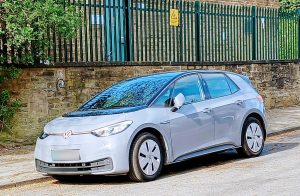
Delhi EV Charging Points: Best Proven Growth Trends
Delhi EV Charging Points have surpassed 2026 targets early, showcasing rapid growth in infrastructure.
Delhi EV Charging Points have reached their 2026 target ahead of schedule, highlighting the city’s commitment to electric vehicle infrastructure. This early achievement is a game changer for EV adoption in the region.
Current Status of Delhi EV Charging Points
The current status of Delhi EV charging points reflects a significant advancement in the city’s infrastructure aimed at supporting electric vehicles. As of now, the number of charging stations has surpassed earlier projections, showcasing the rapid growth in this sector.
The government has set ambitious targets to promote the use of electric vehicles, and the early achievement of the 2026 goal is a testament to the effectiveness of these initiatives. With a focus on sustainability and reducing pollution levels, the rise in charging points is crucial for encouraging more residents to transition to electric vehicles.
Several factors contribute to the successful expansion of Delhi EV charging points:
- Government Incentives: Financial subsidies and incentives for both consumers and businesses have played a pivotal role in promoting electric vehicle adoption.
- Public-Private Partnerships: Collaborations between the government and private entities have led to the establishment of numerous charging stations across the city.
- User Awareness: Campaigns aimed at educating the public about the benefits of electric vehicles have helped increase demand for charging infrastructure.
- Technological Advances: Innovations in charging technology have made it easier and faster for users to charge their vehicles.
As the city continues to expand its network of charging points, the prospects for electric vehicles in Delhi look increasingly promising.
Impact on Electric Vehicle Adoption
The rapid expansion of Delhi EV charging points has significantly influenced the adoption of electric vehicles (EVs) across the city. As infrastructure improves, potential EV owners experience increased confidence in making the switch from traditional fuel-powered vehicles.
Several key factors illustrate the positive impact of enhanced charging infrastructure on EV adoption:
- Accessibility: With more charging stations available in urban centers and residential areas, the convenience of owning an electric vehicle has grown. This accessibility encourages more individuals to consider EVs as a viable option.
- Range Anxiety Reduction: The proliferation of Delhi EV charging points alleviates concerns regarding battery range. Potential buyers feel reassured knowing that they can easily charge their vehicles, promoting a shift towards electric mobility.
- Government Initiatives: Supportive policies and incentives from the Delhi government, alongside the expanding charging network, synergistically drive consumer interest in EVs. Subsidies and rebates further make electric vehicles more attractive financially.
- Public Awareness: As charging points become more visible, public awareness regarding the benefits of EVs grows, leading to a cultural shift towards sustainable transportation.
Overall, the growing network of Delhi EV charging points serves as a catalyst for increased electric vehicle adoption, paving the way for a greener future in urban transportation.
Government Initiatives Supporting EV Growth
The growth of electric vehicle (EV) infrastructure in Delhi has been significantly bolstered by various government initiatives aimed at supporting the adoption of cleaner transportation. These initiatives have played a pivotal role in enhancing the availability of Delhi EV charging points, thereby facilitating a smoother transition to electric mobility.
One of the key government measures includes the introduction of subsidies for EV buyers, making electric vehicles more affordable for the average consumer. This financial support not only encourages individuals to purchase electric vehicles but also stimulates demand for charging infrastructure.
Furthermore, the government has launched a comprehensive policy framework that promotes the establishment of charging stations across the city. This includes:
- Public-Private Partnerships: Collaborations with private companies to expand the network of charging points.
- Incentives for Infrastructure Development: Financial incentives for businesses that invest in EV charging facilities.
- Streamlined Regulatory Processes: Simplified approval procedures for setting up new charging stations.
Additionally, awareness campaigns aimed at educating the public on the benefits of electric vehicles and the importance of charging infrastructure have been initiated. These efforts are not only aimed at increasing the number of Delhi EV charging points but also at fostering a sustainable environment for future generations.
Future Projections for EV Infrastructure
The future of Delhi EV charging points looks promising as the city continues to expand its electric vehicle infrastructure. With a significant increase in the number of charging stations, projections indicate that by 2025, Delhi will surpass its initial target of 6,000 charging points, paving the way for greater adoption of electric vehicles.
Several factors contribute to this optimistic outlook:
- Government Incentives: Continued support from local authorities is expected to enhance investment in EV infrastructure.
- Public-Private Partnerships: Collaboration between the government and private sector will lead to innovative solutions for charging station deployment.
- Technological Advancements: Improvements in charging technology are likely to reduce charging times and increase station availability.
- Growing Consumer Demand: As more residents opt for electric vehicles, the need for accessible and efficient charging points will rise, prompting further development.
Furthermore, the city’s commitment to sustainability and reducing carbon emissions will drive the expansion of Delhi EV charging points. By 2030, projections suggest that the number of charging stations could triple, significantly contributing to the overall goal of making Delhi a cleaner and greener city.
As these trends unfold, the future of electric vehicle adoption in Delhi appears bright, supported by a robust and expanding network of charging infrastructure.
Public Response to Charging Stations
The introduction of numerous Delhi EV Charging Points has garnered significant public attention and engagement. As electric vehicles (EVs) become more prevalent in the capital, the availability of charging stations has played a crucial role in shaping consumer attitudes towards EV adoption.
Recent surveys indicate that the public response to the installation of these charging stations has been overwhelmingly positive. Key factors contributing to this favorable sentiment include:
- Convenience: Many residents appreciate the accessibility of charging points, which are now strategically located across various neighborhoods and commercial areas.
- Increased Awareness: As more people become aware of the benefits of electric mobility, support for the expansion of charging infrastructure has risen.
- Environmental Concerns: The public’s growing commitment to sustainability is reflected in their preference for electric vehicles and the corresponding demand for charging facilities.
Moreover, car owners have reported a sense of reassurance knowing that charging stations are readily available, alleviating previous concerns about range anxiety. This increase in public acceptance has spurred further investments in EV infrastructure, encouraging more businesses and residential complexes to consider installing their own charging points.
As Delhi continues to lead the way in promoting electric mobility, the positive public response to the growing network of charging stations is expected to further fuel the shift towards sustainable transportation solutions.
Challenges in EV Charging Expansion
The rapid expansion of Delhi EV charging points has not been without its challenges. Despite significant progress, several critical issues hinder the seamless growth of charging infrastructure across the city.
- Infrastructure Limitations: The existing electrical grid in many areas struggles to support the additional load from numerous charging stations. Upgrades to the grid are essential but can be time-consuming and costly.
- Land Availability: Finding suitable locations for new charging points remains a challenge. Urban spaces in Delhi are often congested, making it difficult to secure strategic sites for installation.
- Public Awareness: While the number of charging stations is increasing, many potential EV users remain unaware of their locations and availability. Enhanced outreach and education efforts are necessary to improve public knowledge about the existing infrastructure.
- Interoperability Issues: Different charging networks often use various technologies, leading to compatibility issues. A standardized approach is needed to ensure all electric vehicle owners can access charging points without hassle.
Addressing these challenges is crucial for sustaining the momentum of electric vehicle adoption in Delhi. As the city aims for a greener future, overcoming these barriers will be essential to leverage the benefits of the growing network of EV charging points.
Comparative Analysis with Other Cities
In assessing the growth of Delhi EV charging points, it is essential to compare the developments with other major cities. Delhi has shown remarkable progress, surpassing many urban centers in terms of infrastructure expansion and user engagement.
When juxtaposed with cities like Mumbai, Bengaluru, and Kolkata, Delhi’s strategic initiatives stand out. Here are some key points of comparison:
- Charging Infrastructure: Delhi has established over 2,000 EV charging points, significantly outpacing Mumbai, which has about 1,000, and Bengaluru with 1,200.
- Government Support: The Delhi government has implemented various policies, including subsidies and incentives, which have not been as robust in Kolkata, where adoption rates remain lower.
- Public Awareness: Campaigns in Delhi to promote EV usage and charging facilities have resulted in higher public awareness compared to cities like Bengaluru, where awareness efforts are still developing.
While Delhi EV charging points have seen exponential growth, other cities are gradually catching up. However, the capital’s focus on sustainability and infrastructure enhancement remains a model for others. Continued investment and public engagement will be crucial for maintaining this momentum.