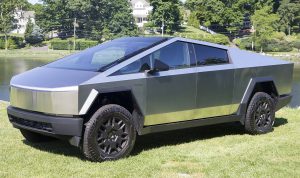
Tesla Cybertruck Production: Worst Decision for the Brand
Tesla Cybertruck production is winding down, reflecting slow sales and market challenges.
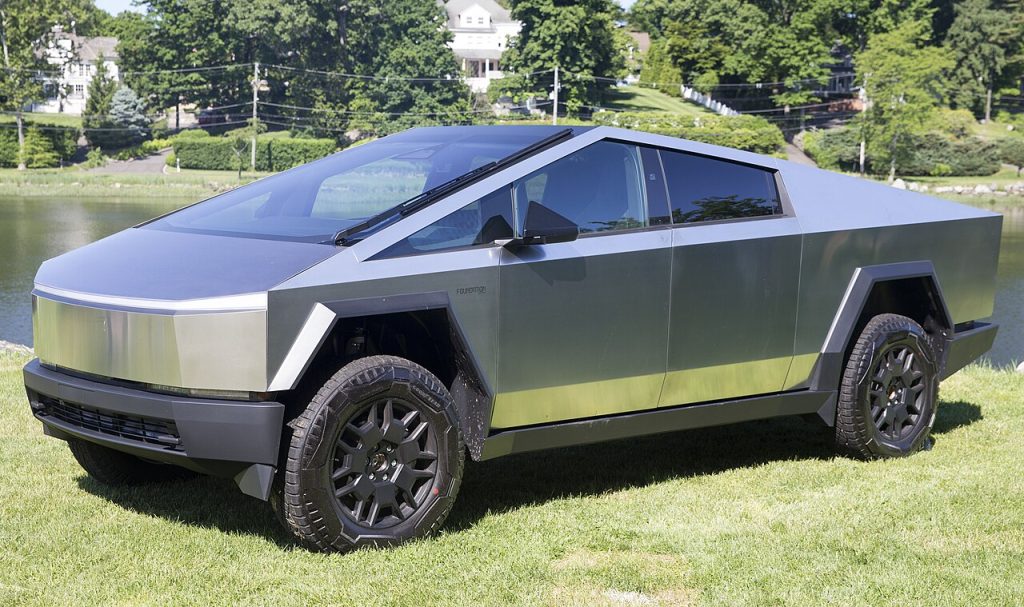
7G2CEHED4RA010306
Tesla Cybertruck production is coming to an end as the company faces challenges with slow sales. This decision marks a significant shift for the brand in the competitive pickup market.
Why is Tesla Ending Cybertruck Production?
Tesla’s recent announcement to wind down Cybertruck production has sent shockwaves through the automotive industry. The decision has raised eyebrows, leading many to question the future of the much-anticipated electric pickup. Despite the initial hype surrounding the Cybertruck, several factors have contributed to this unexpected turn of events.
- Slow Sales: The Cybertruck has faced challenges in gaining traction in a competitive market. Initial pre-orders have not translated into sustained demand, resulting in disappointing sales figures.
- Production Issues: Tesla has struggled with manufacturing complexities unique to the Cybertruck’s design. Delays and quality control problems have hindered its ability to deliver vehicles on time.
- Market Changes: The pickup segment is evolving, with traditional automakers introducing electric alternatives that appeal to consumers. This shift has made it difficult for the Cybertruck to stand out.
- Brand Image: As Tesla pivots to focus on more profitable models, the Cybertruck may be viewed as a distraction. The company aims to solidify its reputation as a leader in electric vehicles, and maintaining a slow-selling product could jeopardize that image.
With Tesla Cybertruck production coming to an end, industry analysts are closely monitoring how this decision will impact the brand’s market position and future innovations. Many believe this move may ultimately be beneficial for Tesla’s long-term goals.
Sales Figures for the Cybertruck
The sales figures for the Tesla Cybertruck have raised significant concerns among industry analysts and Tesla enthusiasts alike. Since its much-anticipated launch, the production and sales have not met expectations, leading many to question the viability of the vehicle in the competitive electric truck market.
Initial projections estimated that the Cybertruck would sell in the hundreds of thousands annually. However, recent reports indicate that actual sales figures paint a different picture:
- First Quarter Sales: Just over 10,000 units sold, far below initial forecasts.
- Market Share: The Cybertruck captured less than 5% of the electric truck market, a stark contrast to competitors like the Ford F-150 Lightning and Rivian R1T.
- Customer Feedback: Many potential buyers have expressed concerns about the design and functionality, leading to a decline in pre-orders.
These figures highlight a troubling trend for Tesla, as the Cybertruck production struggles to gain traction. With production costs rising and demand stagnating, the decision to continue investing in the Cybertruck may prove to be one of Tesla’s worst decisions. The company is now facing the challenge of repositioning itself in a rapidly evolving market while managing the fallout from disappointing sales.
Impact on Tesla’s Future Models
The decision to wind down production of the Tesla Cybertruck could have significant repercussions for the company’s future models. As Tesla has positioned itself as a leader in electric vehicle innovation, the performance and reception of the Cybertruck serve as a crucial indicator of the brand’s direction.
One of the most pressing concerns is the potential impact on consumer trust and brand loyalty. The Cybertruck, touted for its unique design and advanced technology, was expected to attract a new demographic of buyers. However, with production now being halted, many may question Tesla’s ability to deliver on its promises. This could lead to skepticism surrounding future vehicle launches, particularly as the automotive market becomes increasingly competitive.
Furthermore, the implications for Tesla’s supply chain and manufacturing processes are considerable. The resources allocated to the Cybertruck could have been utilized for the development of other models, such as the long-awaited Roadster or the Cybervan. By ending Cybertruck production, Tesla risks stalling innovations that could have positioned it favorably in the market.
In the long run, the decision to cease production of the Cybertruck may reflect a larger strategy shift for Tesla. Investors and consumers alike will be watching closely to see how this move influences the brand’s future offerings and overall market presence.
- Consumer Trust: Affected by the halt in production.
- Resource Allocation: Impacts future model development.
- Market Competition: Increased skepticism may arise.
Consumer Reactions to the News
As news of Tesla’s decision to wind down Cybertruck production spreads, consumer reactions have been a mixture of disappointment and frustration. Many long-time Tesla enthusiasts feel let down by the company’s choice to halt a vehicle that had generated significant buzz prior to its release.
Among the most vocal consumers are those who had pre-ordered the Cybertruck, eagerly awaiting its arrival. They express their feelings in various online forums, stating:
- “I can’t believe Tesla is giving up on the Cybertruck. I was so excited to own one!”
- “This feels like a huge mistake. The Cybertruck could have revolutionized the pickup market.”
- “I trusted Tesla to deliver on their promises. Now I’m left feeling betrayed.”
Others have taken to social media to share their thoughts, with hashtags like #BringBackCybertruck trending on platforms like Twitter. The sentiment is clear: many consumers believe that the decision to cease production is not only a setback for the brand but also a missed opportunity to capture a unique niche in the electric vehicle market.
While Tesla’s leadership may have strategic reasons for this move, the overwhelming response indicates that the company may need to reconsider its approach to the Cybertruck production and its long-term vision for consumer engagement.
Many analysts are questioning whether the Tesla Cybertruck production will ultimately undermine the brand’s reputation for innovation. Critics argue that the focus on Tesla Cybertruck production may divert resources from more successful models.
via Wikimedia Commons
Read the original
Related stories
Hero Xtreme 125R Price: Is It Worth the Investment? · Olympia Collection Bentley: Is It the Best Luxury Car? · Yamaha NMAX E: Best Electric Scooter with Proven Range