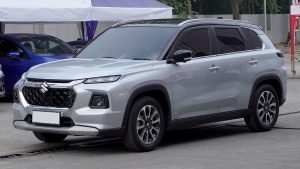
Tata Motors Car Prices: Worst Increase in 2026
Tata Motors car prices are set to increase by 0.5% from December 2026, impacting buyers and the market.
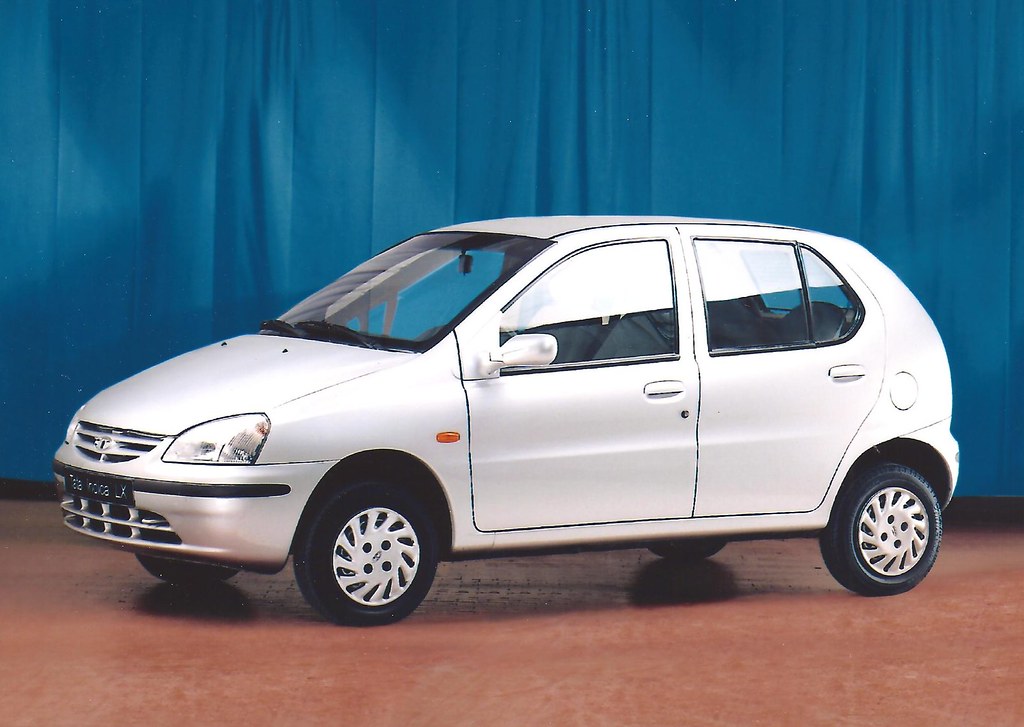
Tata Motors car prices will increase by 0.5% starting December 2026, affecting potential buyers and current owners alike.
Understanding the Price Increase
The automobile industry is currently experiencing a significant shift, particularly with Tata Motors car prices projected to rise in the coming years. As consumers adapt to changing economic conditions, the impact of this anticipated increase is becoming a point of concern.
In December 2026, Tata Motors announced a price hike of 0.5%. This decision marks one of the worst increases in recent history, raising questions about the reasons behind such a move. Several factors contribute to this development:
- Raw Material Costs: The surge in prices of essential raw materials continues to affect production costs.
- Market Demand: Increased demand for vehicles has created a tense market environment, pushing manufacturers to adjust their pricing strategies.
- Regulatory Changes: New regulations aimed at enhancing vehicle safety and environmental standards may lead to additional costs that are passed on to consumers.
As Tata Motors car prices rise, potential buyers are advised to consider their options carefully. Understanding the factors behind the price increase can help consumers make informed choices in a challenging market.
Impact on Consumers
The recent announcement regarding Tata Motors car prices has raised concerns among consumers. The impending increase of 0.5% set to take effect in December 2026 is being perceived as the worst price hike in recent years. This adjustment could have significant implications for potential buyers and current owners alike.
Consumers are likely to face several challenges due to this increase, including:
- Affordability: The rise in prices may push some buyers out of the market, particularly first-time car owners.
- Budgeting: Families and individuals will need to reevaluate their budgets, which could lead to less discretionary spending in other areas.
- Resale Value: Current Tata Motors owners may see a dip in the resale value of their vehicles, affecting their investment.
- Market Competition: With Tata Motors car prices on the rise, consumers may explore alternative brands offering competitive pricing.
As the automotive market adjusts to these changes, consumers will have to navigate their purchasing decisions carefully, weighing the benefits of Tata Motors vehicles against the rising costs.
Market Reactions to Tata Motors
The announcement of a 0.5% increase in Tata Motors car prices from December 2026 has sparked varied reactions across the automotive market. Analysts have expressed concerns over the potential implications for consumer buying behavior and overall market dynamics.
Industry experts suggest that this modest increase could signal a trend towards higher pricing strategies among manufacturers, which may lead to a ripple effect throughout the sector. Investors reacted swiftly, with shares of Tata Motors experiencing fluctuations immediately following the news release. Some market analysts believe that this could be a strategic move to counter rising production costs.
Consumers, on the other hand, have voiced their apprehensions. Many are worried about the impact of increasing car prices on their budgets, especially considering the ongoing economic challenges. Affordability remains a primary concern for buyers who are already feeling the pinch of inflation in other sectors.
As the December deadline approaches, market observers will be closely monitoring how these changes affect consumer sentiment and sales figures for Tata Motors. The implications of this price adjustment may extend beyond immediate financial considerations, influencing brand loyalty and market positioning in the long term.
Future Predictions for Car Prices
As the automotive industry navigates through economic uncertainties, predictions regarding Tata Motors car prices suggest a continued upward trajectory. Analysts anticipate that the company will implement a further increase in prices, potentially reaching a staggering 10% by the end of 2026. This projection is based on several key factors impacting the market.
Firstly, the persistent rise in raw material costs is expected to compel Tata Motors to adjust its pricing strategy. With supply chain disruptions showing no signs of resolution, manufacturers may have to pass on these costs to consumers. Additionally, the introduction of stricter emission regulations could lead to increased production expenses, further driving up Tata Motors car prices.
Moreover, consumer demand for electric vehicles is likely to influence pricing strategies. As Tata Motors expands its electric vehicle lineup, the costs associated with new technologies may also reflect in their overall pricing.
In summary, the forecast for Tata Motors car prices indicates a challenging landscape for buyers. Consumers may need to prepare for a future where car ownership becomes increasingly expensive, impacting purchasing decisions across various demographics.
Alternatives for Buyers
As Tata Motors car prices continue to rise, buyers are seeking alternatives to navigate the changing market landscape. With the anticipated increase of 0.5% starting December 2026, consumers may find themselves exploring different options to find better value.
Some viable alternatives for buyers include:
- Pre-owned vehicles: The used car market is becoming increasingly popular, offering a range of models at lower prices that provide significant savings compared to new Tata Motors cars.
- Electric vehicles: As the demand for eco-friendly options grows, buyers might consider electric alternatives from other manufacturers that offer competitive pricing and government incentives.
- Local brands: Emerging car brands in the region are offering affordable models with attractive features, providing consumers with budget-friendly alternatives.
- Hybrid options: Exploring hybrid vehicles can be a strategic choice, combining fuel efficiency with lower emissions while often being priced competitively against traditional combustion engine cars.
Buyers are encouraged to weigh their options carefully as Tata Motors car prices continue to shift, ensuring they make informed decisions that align with their financial goals and preferences.
By Hugo-90 via Openverse
References
Bank of Baroda EV Charging: Best Simple Solution for All · MG Windsor EV Facelift: Is the New 61kWh Battery Worth It? · Bajaj Avenger 220 Cruise: The Best Buying Guide for You