Preventing Car Roof Mold and Mildew: Right Choice
One of the most common causes of mold and mildew inside vehicles is moisture from car roof leaks. When seals, weather stripping, or the sunroof drainage…
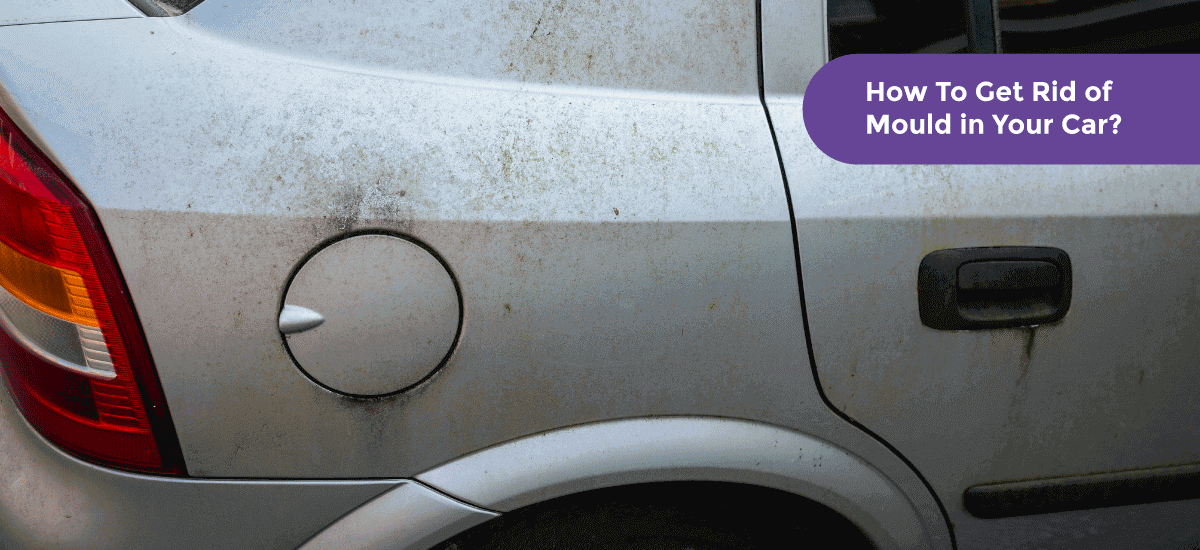
Preventing Car Roof Mold and Mildew: Right Choice
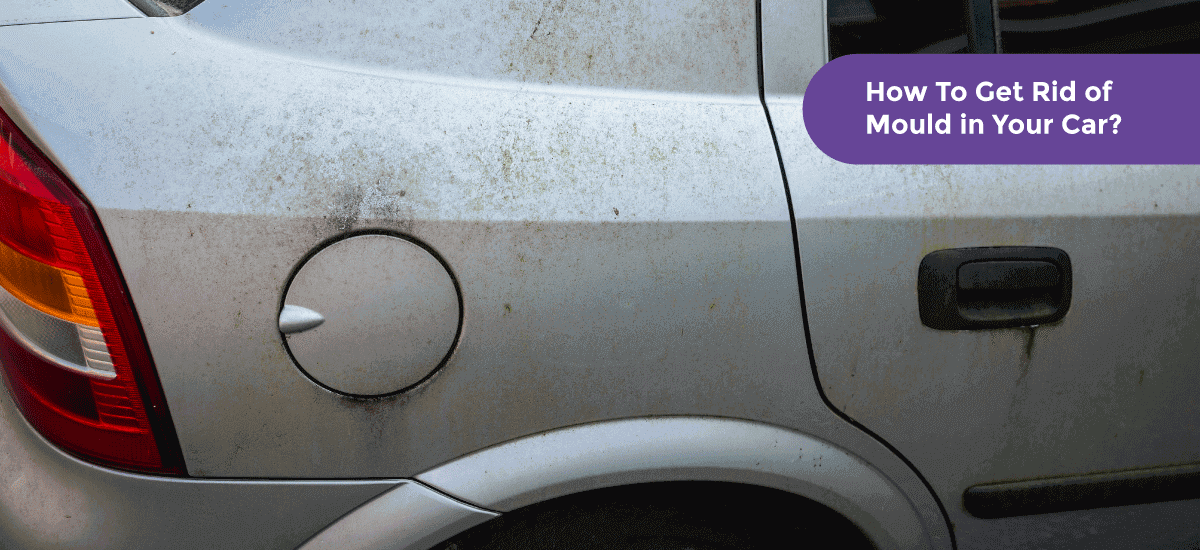
One of the most common causes of mold and mildew inside vehicles is moisture from car roof leaks. When seals, weather stripping, or the sunroof drainage system fail, water can seep into the cabin—especially during heavy rain or snow. These leaks often go unnoticed until moldy odors or visible stains appear. Since mold thrives in dark, damp environments, the car interior becomes the perfect breeding ground when moisture isn’t dried promptly. Identifying and sealing leaks early is essential to prevent mold from taking hold.
Early Signs of Mold and Mildew Development
The first indicators of mold or mildew issues are often subtle. A musty smell when you enter your vehicle is a major red flag. You might also notice damp headliners, fogged windows, or discolored patches near the roof or pillars. If you see black or green specks on fabric or trim, mold is already present and spreading. These signs shouldn’t be ignored—mold can trigger allergies, respiratory problems, and even damage your vehicle’s interior materials if left unchecked.
Preventive Measures: Keep the Roof and Seals Maintained
Preventing mold starts with proactive maintenance. Regularly inspect the roof seals, sunroof tracks, and door weather stripping for cracks, gaps, or wear. Clean the sunroof drains to ensure proper water flow; clogged drains are a leading cause of leaks into the cabin. During seasonal checkups, include roof inspections in your routine. If your car is frequently parked outdoors, consider a quality car cover or park under shelter to reduce water exposure. These small steps go a long way in keeping moisture out. Going for the European Auto Repair in Burnsville, MN based service would be essential here.
Interior Care: Ventilation and Drying Techniques
If your car does get wet, act quickly. Use towels to blot damp areas and leave windows slightly open in a safe location to ventilate. A portable car dehumidifier or moisture-absorbing packets can also help manage humidity levels inside the cabin. Avoid leaving wet items like umbrellas or clothes inside your vehicle. If water has soaked into the roof liner or upholstery, it may be necessary to remove panels or use a wet/dry vacuum and fans to fully dry the area before mold forms.
When to Call Professionals for Mold Remediation
If mold or mildew growth is already established, it’s best to consult a professional detailing or remediation service. Experts can identify the moisture source, clean or replace affected materials, and sanitize your car’s interior thoroughly. They use commercial-grade cleaners and foggers that not only kill mold but also neutralize the odor. Waiting too long increases health risks and repair costs, especially if the mold reaches insulation or electrical components near the roof. Timely professional intervention ensures a safe, clean driving environment.
Conclusion:
Preventing car roof mold and mildew is all about controlling moisture. Stay alert to signs of leaks, maintain seals, and act fast when wet spots appear. With proper care, you can avoid mold-related damage and keep your vehicle fresh, dry, and healthy.