Is the National EV Charging Plan Worth the Investment?
National EV charging plan faces challenges as states take action.
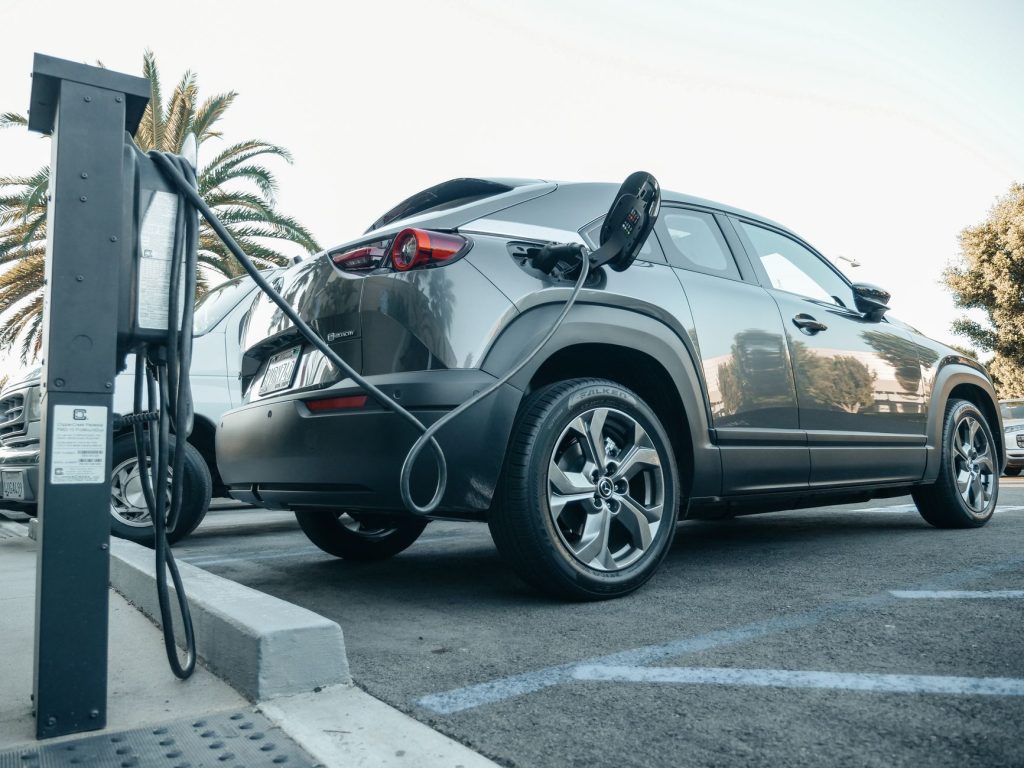
The national EV charging plan is currently facing setbacks as Trump froze a $5B initiative. Meanwhile, Pennsylvania has opened three new charging stations, highlighting a contrasting approach among states.
Overview of the National EV Charging Plan
The National EV Charging Plan aims to establish a comprehensive network of electric vehicle charging stations across the country, facilitating the transition to cleaner transportation. This initiative comes in response to the growing demand for electric vehicles (EVs) and the need for accessible charging infrastructure.
Originally proposed as a $5 billion investment, the plan faced significant challenges, particularly during the previous administration when funding was frozen. Despite these setbacks, some states, like Pennsylvania, have taken proactive steps by launching new charging stations to support EV adoption.
The plan seeks to address several key objectives:
- Accessibility: Ensuring charging stations are available in urban and rural areas alike.
- Standardization: Developing uniform charging standards to streamline the user experience.
- Incentives: Offering financial incentives for businesses and homeowners to install charging equipment.
As the push for electric vehicles continues, the National EV Charging Plan is critical in building the necessary infrastructure to support this shift. Stakeholders are keenly observing how states respond to the challenges and opportunities presented by this initiative.
Impact of Trump’s Decision on EV Infrastructure
The impact of former President Trump’s decision to freeze the $5 billion national EV charging plan has been significant, creating uncertainty in the advancement of electric vehicle infrastructure across the country. Many states were preparing to enhance their charging networks, but the freeze has hindered progress and left several initiatives in limbo.
Despite this setback, Pennsylvania has taken a proactive approach by opening three new EV charging stations. This development highlights the ongoing commitment of some states to promote electric vehicle adoption, even in the face of federal roadblocks. By investing in local infrastructure, these states aim to provide residents with better access to charging facilities and encourage more drivers to transition to electric vehicles.
As legal battles unfold in response to the freeze, the future of the national EV charging plan remains uncertain. Advocates argue that a robust charging network is essential for reducing carbon emissions and achieving energy independence. The clash between state initiatives and federal policies raises questions about the best path forward for EV infrastructure in the United States, particularly at a time when the transition to electric vehicles is more critical than ever.
Pennsylvania’s New Charging Stations Explained
Pennsylvania is taking a proactive approach to electric vehicle infrastructure despite recent challenges at the national level. The state has recently opened three new charging stations as part of its commitment to support the growing demand for electric vehicles. These stations are strategically located to cater to both urban and rural drivers, ensuring accessibility for all Pennsylvanians.
The new charging stations feature fast-charging technology, allowing EV owners to recharge their vehicles in a fraction of the time compared to standard chargers. This initiative aligns with the broader goals outlined in the national EV charging plan, which aims to create a comprehensive network of charging stations across the country.
These installations not only provide immediate benefits for EV users but also demonstrate Pennsylvania’s dedication to sustainable transportation solutions. The state’s investment in charging infrastructure is crucial for reducing emissions and promoting cleaner air quality. As the demand for electric vehicles continues to rise, Pennsylvania’s efforts could serve as a model for other states grappling with the implications of federal policy changes.
- Three new charging stations opened in Pennsylvania
- Fast-charging technology implemented
- Supports the national EV charging plan goals
State Lawsuits Against the Federal Plan
As the National EV Charging Plan faces scrutiny, several states have moved to challenge the federal initiative. These lawsuits primarily stem from concerns regarding the allocation of funds and the overarching impact on state-level EV infrastructure development. Critics argue that the plan could undermine local efforts to establish a robust charging network tailored to specific regional needs.
In particular, states like California and New York have voiced their discontent, emphasizing that the federal approach may not align with their aggressive carbon reduction goals. The lawsuits seek to ensure that states retain control over the deployment of charging stations, arguing that a one-size-fits-all strategy could hinder progress in areas that have already made significant investments in electric vehicle support.
Furthermore, stakeholders in the EV market are watching these developments closely. Industry experts warn that prolonged legal battles could delay the rollout of much-needed charging infrastructure, ultimately affecting consumer confidence in electric vehicles. As the National EV Charging Plan continues to evolve, the outcomes of these state lawsuits could set critical precedents for how federal and state efforts will coexist in the fight against climate change.
Future of Electric Vehicle Charging in America
The future of electric vehicle charging in America hinges significantly on the implementation of the national EV charging plan. As the demand for electric vehicles continues to rise, the need for a robust charging infrastructure becomes increasingly critical. Experts predict that a comprehensive charging network could enhance the adoption of electric vehicles, providing drivers with the confidence to make the switch from traditional gasoline vehicles.
Several factors will influence the success of this initiative:
- Investment: Significant financial resources are required to build and maintain charging stations across the country.
- Technology: Advancements in charging technology will need to keep pace with the growing fleet of electric vehicles to ensure efficiency and accessibility.
- Public Awareness: Educating consumers about the benefits of electric vehicles and the availability of charging options is essential for wider acceptance.
As states like Pennsylvania take proactive measures by opening new charging stations, the focus on collaboration between federal and state governments becomes vital. The national EV charging plan could serve as a framework for states to build upon, ultimately leading to a seamless and extensive charging network, essential for the future of electric mobility in America.
Photo by Kindel Media on Pexels
References
Related reading
GWM Haval H7 launch: Worth the wait for Australia? · Mahindra Thar facelift: Best Proven Features to Expect Tomorrow · Royal Enfield Classic 350: The Best New White Colour Release