EV sales growth: What is the proven strategy for success?
EV sales growth is reshaping the auto industry. Discover the proven strategies for expanding the charging network and boosting sales.

EV sales growth has reached over 30 lakh units, highlighting the rapid adoption of electric vehicles in India. This surge emphasizes the need for a robust charging network.
Overview of EV sales growth in India
The electric vehicle (EV) market in India has witnessed remarkable growth in recent years, with the PM E-DRIVE initiative recording over 30 lakh EV sales. This surge in sales highlights a growing consumer preference for sustainable transportation options as part of the country’s commitment to reduce carbon emissions.
Factors contributing to the impressive EV sales growth include:
- Government Incentives: Financial subsidies and tax rebates have made EVs more affordable for a wider audience.
- Improved Infrastructure: The expansion of charging networks is crucial for consumer confidence, as emphasized by Kumaraswamy.
- Technological Advancements: Enhanced battery technology has led to longer ranges and reduced charging times, making EVs more appealing.
- Environmental Awareness: Growing awareness of climate change is prompting consumers to opt for greener alternatives.
As India continues to push for sustainable mobility, the trend of EV sales growth is expected to maintain its upward trajectory.
Impact of charging network on EV adoption
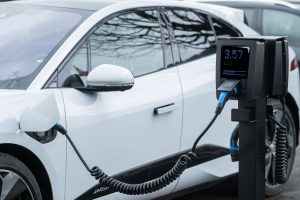
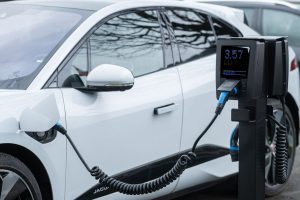
The expansion of the charging network is critical to the ongoing EV sales growth in India. As more consumers consider switching to electric vehicles, the availability of charging infrastructure plays a significant role in their decision-making process. A robust charging network addresses key concerns such as range anxiety and convenience, ensuring that potential buyers feel secure in their transition to EVs.
Recent reports indicate that the PM E-DRIVE initiative has recorded over 30 lakh EV sales, highlighting the increasing acceptance of electric vehicles. However, experts emphasize that for this momentum to continue, the following factors must be addressed:
- Accessibility: Charging stations must be widely available in both urban and rural areas.
- Speed: Fast charging options should be prioritized to reduce wait times.
- Affordability: Incentives for setting up charging stations can encourage more investments.
In conclusion, enhancing the charging network is essential for sustaining EV sales growth and ensuring a successful transition to electric mobility.
Kumaraswamy’s vision for future infrastructure
Kumaraswamy has articulated a visionary approach to enhance the infrastructure necessary for sustained EV sales growth in India. He emphasizes the critical need for an expanded charging network to support the increasing number of electric vehicles on the roads. According to him, the government must collaborate with private sectors to develop a robust, accessible charging infrastructure that meets the demands of EV users.
Key components of his vision include:
- Strategic Partnerships: Encouraging collaborations between public and private entities to invest in charging stations.
- Accessibility: Ensuring charging stations are available in urban and rural areas alike, reducing range anxiety for potential EV buyers.
- Incentives: Offering financial incentives for businesses that install charging points, making it more attractive for them to participate in the expansion.
With these strategies, Kumaraswamy aims to create a thriving ecosystem that not only supports but accelerates EV sales growth across the nation.
Comparing EV sales growth year over year
The growth of electric vehicle (EV) sales continues to show impressive year-over-year increases, highlighting a significant shift in consumer preferences and market dynamics. In the past year alone, India recorded over 30 lakh EV sales, marking a substantial rise compared to previous years. This surge can be attributed to several factors:
- Increased awareness of environmental issues, driving demand for sustainable transportation options.
- Government incentives and subsidies that make EV purchases more appealing.
- Advancements in technology, improving EV performance and reducing costs.
- Expansion of charging infrastructure, addressing consumer concerns regarding range anxiety.
The proven strategy for success in EV sales growth involves a combination of these elements, creating a favorable environment for both manufacturers and consumers. As the market continues to evolve, ongoing investment in infrastructure and technology will be crucial for sustaining this momentum in the coming years.
Challenges in expanding the charging network
The rapid EV sales growth poses significant challenges, particularly in expanding the charging network. As the number of electric vehicles on the road increases, the demand for accessible and efficient charging stations intensifies. Key challenges include:
- Infrastructure Investment: High costs associated with setting up charging stations can deter investment from private companies.
- Geographical Limitations: Rural and remote areas often lack the necessary infrastructure, creating an uneven distribution of charging points.
- Standardization Issues: Variability in charging technology and connectors can complicate the user experience and hinder widespread adoption.
- Regulatory Hurdles: Navigating local regulations and securing permits can delay the deployment of new charging stations.
To sustain the momentum of EV sales growth, it is crucial for stakeholders to collaborate and address these challenges. A strategic approach will not only enhance the charging network but also foster consumer confidence in electric vehicles.
Government initiatives to support EV growth
Government initiatives play a crucial role in supporting EV sales growth across the nation. As more countries recognize the importance of reducing carbon emissions, various policies have been implemented to promote electric vehicle adoption.
In India, the government has introduced several measures aimed at boosting the EV market, including:
- Financial incentives: Subsidies and tax rebates for electric vehicle buyers encourage consumers to make the switch from traditional vehicles.
- Grants for manufacturers: Financial assistance for EV manufacturers helps lower production costs, making electric vehicles more affordable for consumers.
- Research and development funding: Investments in R&D facilitate technological advancements, improving battery efficiency and overall vehicle performance.
- Public awareness campaigns: Initiatives to educate the public about the benefits of EVs help dispel myths and increase consumer interest.
These government initiatives are essential for sustaining the momentum of EV sales growth and fostering a greener future.
Consumer trends in electric vehicle purchases
As electric vehicle (EV) sales growth continues to rise, understanding consumer trends becomes crucial for manufacturers and policymakers alike. Recent studies indicate that consumers are increasingly prioritizing sustainability and fuel efficiency in their purchasing decisions.
Key factors influencing consumer choices include:
- Environmental Awareness: Many buyers are motivated by the desire to reduce their carbon footprint.
- Cost of Ownership: Potential savings on fuel and maintenance costs appeal to budget-conscious consumers.
- Technological Advancements: Enhanced battery life and features such as advanced infotainment systems attract tech-savvy buyers.
- Government Incentives: Subsidies and tax rebates further encourage adoption among first-time buyers.
Additionally, the increasing availability of models in various price ranges has expanded the market, making EVs accessible to a wider audience. As these trends evolve, the ongoing EV sales growth reflects a significant shift in consumer preferences and priorities.
The future of electric vehicles in India
The future of electric vehicles in India appears bright, driven by significant EV sales growth and increasing consumer acceptance. As the market evolves, several factors are expected to shape the trajectory of electric mobility in the country.
Firstly, advancements in battery technology are likely to enhance the efficiency and affordability of EVs, making them more appealing to a broader audience. Additionally, the government’s continued support for sustainable initiatives will play a crucial role in encouraging both manufacturers and consumers.
Moreover, urbanization and rising environmental awareness among the populace are pushing the demand for cleaner transport options. The integration of renewable energy sources into the charging infrastructure is another step towards a sustainable future, further boosting consumer confidence.
Experts anticipate that as more players enter the EV market and competition increases, EV sales growth will accelerate, leading to a more diverse range of options for consumers. The synergy between innovation, policy support, and market dynamics will ultimately define the success of electric vehicles in India.
Photo by Hyundai Motor Group on Pexels