Battery-Swapping Network: Best Proven Expansion for EVs
Battery-swapping network is expanding, offering EV delivery partners a smarter solution for efficiency and convenience.
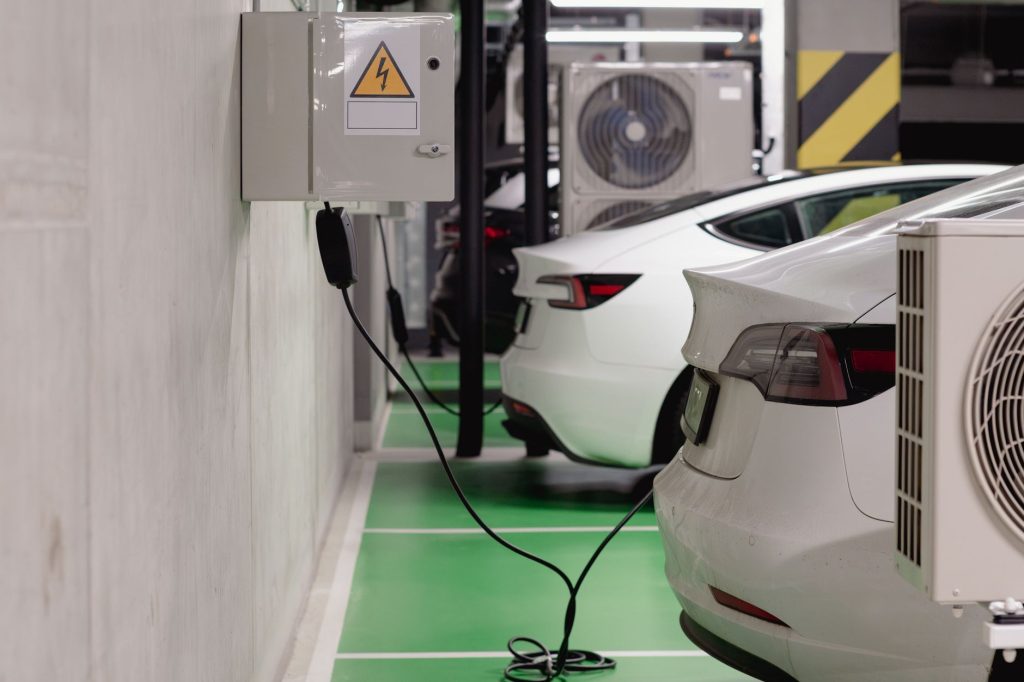
The battery-swapping network is set to expand, providing EV delivery partners with enhanced operational efficiency and convenience. This initiative aims to streamline the process of recharging electric vehicles.
What is a battery-swapping network?
A battery-swapping network is an innovative solution designed to enhance the convenience and efficiency of electric vehicle (EV) charging. Instead of waiting for their vehicle batteries to charge, drivers can simply exchange their depleted battery for a fully charged one at designated swap stations.
This system not only reduces downtime for EV users but also addresses some of the challenges associated with long charging times. Here are some key features of a battery-swapping network:
- Quick Turnaround: Swapping a battery typically takes just a few minutes, allowing drivers to get back on the road swiftly.
- Standardization: Many battery-swapping networks work on a standardized battery model, making it easier for different EV manufacturers to participate.
- Reduced Range Anxiety: By providing a reliable battery exchange, drivers feel more confident in using EVs for longer trips.
- Environmental Benefits: A well-implemented network can promote sustainable battery recycling and management practices.
As companies like Instamart expand their battery-swapping networks, the future of electric mobility looks promising, paving the way for broader EV adoption.
Benefits of battery-swapping for EVs
The expansion of a battery-swapping network presents numerous advantages for electric vehicles (EVs) and their users. One of the primary benefits is the significant reduction in charging time. With traditional charging methods, EV owners often face long wait times, but battery-swapping allows drivers to exchange their depleted batteries for fully charged ones in just a few minutes.
Additionally, a battery-swapping network can enhance the accessibility of EVs. As more locations adopt this system, it becomes easier for users to find convenient swap stations, which can lead to increased consumer confidence in electric mobility.
Moreover, this network can contribute to lower costs for EV owners. By utilizing a subscription model, users can avoid the high upfront costs of purchasing a battery. Instead, they pay for the energy used, making EVs more financially attractive.
- Fast refueling: Swap stations minimize downtime.
- Wider adoption: Increased availability encourages more users.
- Cost-effective: Reduces the financial burden of battery ownership.
Overall, the implementation of a robust battery-swapping network could significantly accelerate the transition to electric vehicles on a global scale.
How Instamart plans to expand its network
Instamart is set to significantly enhance its battery-swapping network to support its electric vehicle (EV) delivery partners. The company aims to roll out a series of new swapping stations across urban areas, making it easier for delivery drivers to quickly exchange depleted batteries for fully charged ones. This initiative is expected to reduce downtime and improve the efficiency of deliveries.
The expansion plan includes:
- Strategic Location Selection: Stations will be placed in high-traffic areas to maximize accessibility for drivers.
- Partnerships with Local Businesses: Collaborating with local retailers to host swapping stations, increasing visibility and convenience.
- Investment in Technology: Implementing advanced tracking and management systems to optimize battery availability and minimize wait times.
- Community Engagement: Involving local communities in the planning process to ensure the network meets the needs of the drivers.
By focusing on these key areas, Instamart aims to create a robust battery-swapping network that not only enhances operational efficiency but also supports the growing demand for sustainable delivery solutions in urban environments.
The future of EV delivery systems
The future of electric vehicle (EV) delivery systems is poised for transformation with the rise of the battery-swapping network. This innovative approach addresses one of the most significant challenges in the EV market: range anxiety. By enabling drivers to quickly exchange depleted batteries for fully charged ones, the battery-swapping network significantly reduces downtime and enhances the efficiency of delivery operations.
As companies like Instamart expand their battery-swapping network, the implications for logistics and transportation are profound. The seamless integration of this technology will allow delivery partners to optimize routes and improve turnaround times, ensuring that goods can be delivered faster and more reliably. With the infrastructure for battery-swapping rapidly developing, businesses are beginning to see the benefits of switching from traditional charging methods.
- Increased efficiency: Reduced waiting times for charging.
- Environmental impact: Encouraging more sustainable practices in logistics.
- Market growth: Expanding EV adoption and encouraging manufacturers to invest in battery technology.
Ultimately, the expansion of a robust battery-swapping network could revolutionize the EV delivery system, making it more accessible and practical for businesses and consumers alike.
Challenges in battery-swapping technology
The expansion of battery-swapping technology presents notable challenges that stakeholders must address to ensure its success. One of the primary hurdles is the standardization of battery designs across different electric vehicle manufacturers. Currently, there is a lack of uniformity, which complicates the development of a comprehensive battery-swapping network.
Additionally, the initial investment required to establish swapping stations can be substantial. These stations need to be equipped with advanced technology to handle various battery types efficiently, which can deter potential investors.
Another significant challenge lies in the management of battery health and lifecycle. Ensuring that batteries are adequately maintained and replaced when necessary is crucial for maintaining the reliability of the swapping network.
Moreover, consumer acceptance is vital; users must be willing to embrace this new model over traditional charging methods. Education and outreach will play essential roles in dispelling misconceptions and highlighting the benefits of battery-swapping for EVs.
Lastly, regulatory frameworks must evolve to support battery-swapping initiatives, as current policies may not accommodate this innovative approach to electric vehicle infrastructure.
Comparing battery-swapping to traditional charging
When evaluating the efficiency of electric vehicle (EV) charging options, comparing battery-swapping networks to traditional charging solutions reveals significant differences. Traditional charging requires users to plug in their vehicles and wait for the battery to charge, which can take anywhere from 30 minutes to several hours depending on the charger type and battery capacity.
In contrast, a battery-swapping network allows drivers to exchange their depleted batteries for fully charged ones in a matter of minutes. This quick turnaround time can drastically reduce downtime for EV users, making it an appealing option for those with limited time or long-distance travel plans.
Several factors contribute to the advantages of battery-swapping over traditional charging:
- Speed: Swapping a battery takes around 3 to 5 minutes.
- Convenience: No need to schedule long charging sessions.
- Range Anxiety Reduction: Drivers can travel longer distances without worrying about charging availability.
Ultimately, as the demand for EVs grows, the expansion of battery-swapping networks may become essential in providing a seamless and efficient charging experience for drivers.
Impact on the environment and sustainability
The expansion of a battery-swapping network is poised to make a significant impact on the environment and promote sustainability. By facilitating faster and more efficient electric vehicle (EV) usage, these networks can help reduce greenhouse gas emissions associated with traditional fossil fuel-powered vehicles.
One of the primary benefits of battery swapping is its potential to decrease the overall carbon footprint of transportation. As more EVs are integrated into daily life, the reliance on cleaner energy sources for electricity generation can further diminish emissions. Furthermore, the battery-swapping model allows for optimized charging, which can enable the use of renewable energy sources during off-peak hours.
Additionally, the infrastructure required for a battery-swapping network encourages the recycling and repurposing of battery materials, leading to less environmental waste. By streamlining the battery lifecycle, companies can contribute to a circular economy while addressing battery disposal issues that have historically posed environmental challenges.
Ultimately, as more consumers adopt electric vehicles supported by a robust battery-swapping network, the transition towards sustainable transportation will gain momentum, fostering a cleaner, healthier planet for future generations.
Customer feedback on battery-swapping services
As the battery-swapping network gains traction, customer feedback has been overwhelmingly positive, highlighting the convenience and efficiency of this innovative solution for electric vehicles (EVs). Many users have reported a significant reduction in downtime during their journeys, allowing them to continue with minimal interruptions.
Customers appreciate the quick turnaround at battery-swapping stations, where they can exchange a depleted battery for a fully charged one in less than five minutes. This rapid service has made the battery-swapping network an attractive option for delivery partners and everyday commuters alike.
Some notable feedback includes:
- Ease of Use: Many users find the process intuitive and hassle-free, requiring no technical knowledge.
- Increased Range: The ability to swap batteries means drivers can travel longer distances without the anxiety of traditional charging wait times.
- Cost-Effectiveness: Users report savings on charging costs, as they can easily switch to fully charged batteries tailored to their needs.
Overall, the positive customer feedback indicates that as the battery-swapping network expands, it could play a crucial role in the broader adoption of EVs in the market.
Photo by Jakub Zerdzicki on Pexels
References
Related reading
Mahindra Thar Colour Options: Best Choices Revealed for 2027 · Is Saudi Arabia’s car brand the best EV option available? · UK Gas Prices: Worst Impact on Ineos Chemical Plants