UK Gas Prices: Worst Impact on Ineos Chemical Plants
UK gas prices are affecting Ineos, forcing the company to idle three chemical plants due to rising costs.
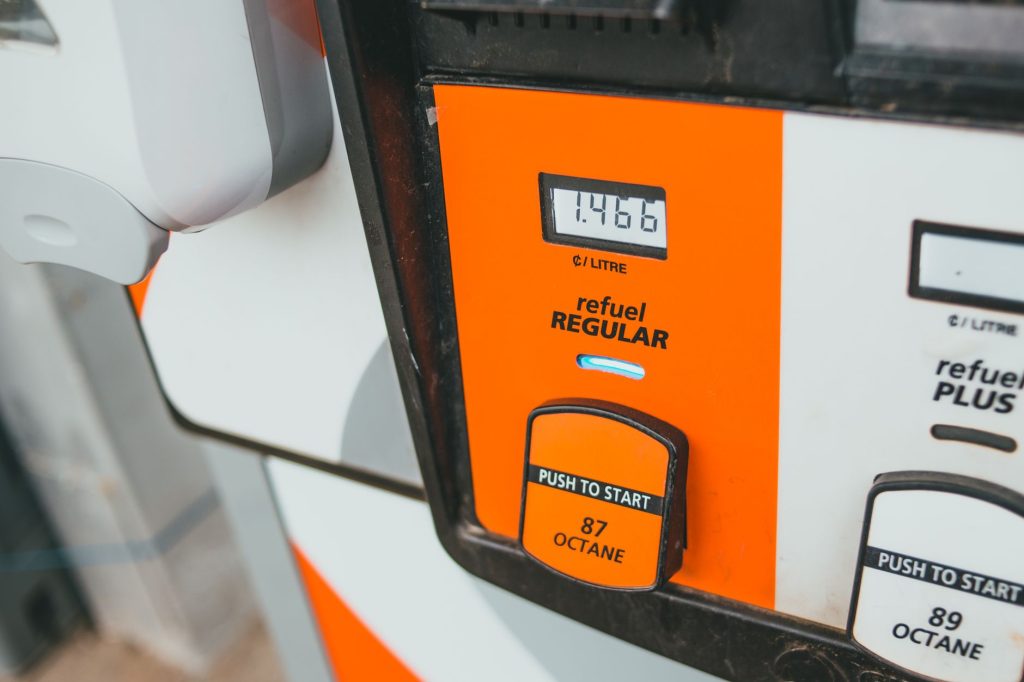
UK gas prices have forced Ineos to idle three chemical plants, highlighting the severe impact of energy costs on the chemical industry.
Overview of Ineos Operations
Ineos, a leading chemical manufacturer in the UK, has faced significant challenges due to soaring UK gas prices. As a result, the company has decided to idle three of its chemical plants, drastically impacting production capabilities.
The affected plants are crucial for the production of various chemical products used in everyday items, from plastics to pharmaceuticals. The decision to halt operations is primarily driven by the steep increase in energy costs, which have surged in recent months, making it economically unfeasible to maintain regular production levels.
In a bid to mitigate losses and stabilize operations, Ineos is closely monitoring market conditions and exploring alternatives for energy sourcing. The company emphasizes the need for a sustainable energy strategy to ensure long-term viability in the face of fluctuating UK gas prices.
- Impact on local employment
- Potential supply chain disruptions
- Long-term strategy adjustments
Impact of Gas Prices on Industry
The recent surge in UK gas prices has had a significant impact on the chemical industry, particularly affecting major manufacturers like Ineos. As a response to the soaring costs, Ineos has announced the temporary idling of three of its chemical plants. This decision highlights the challenges that rising energy prices pose to production capacity and operational stability.
Industry analysts have expressed concern about the broader implications of this trend, noting that:
- Increased costs may lead to higher prices for consumers.
- Job security within the sector could be threatened as companies look to cut expenses.
- Long-term investments in infrastructure may be jeopardized due to financial constraints.
As UK gas prices continue to fluctuate, it remains to be seen how companies will adapt to sustain their operations while navigating these economic pressures.
Current UK Gas Price Trends
Current UK gas prices have reached alarming levels, significantly impacting various sectors, including the chemical industry. Recent trends indicate a consistent rise in gas prices, leading to operational challenges for major players like Ineos. The company’s decision to idle three chemical plants illustrates the severe repercussions of these soaring costs.
The following factors contribute to the current gas price trends in the UK:
- Increased demand: A surge in demand for energy during colder months has strained supply, causing prices to spike.
- Geopolitical tensions: Ongoing conflicts and political instability in gas-producing regions have disrupted supply chains.
- Market speculation: Investor speculation around future shortages has led to volatile price movements.
As a result, the future of UK gas prices remains uncertain, further challenging the operational viability of companies reliant on this critical resource.
Ineos Response to Market Changes
Ineos has responded to the fluctuating UK gas prices by implementing strategic measures to mitigate the impact on its operations. The company has announced that it will idle three of its chemical plants, a decision driven by the rising costs of natural gas, which have significantly affected profitability.
In a recent statement, Ineos emphasized the need for a sustainable energy policy that supports the chemical industry in the UK. The firm highlighted several key points regarding its response:
- Cost Management: Ineos is focusing on optimizing operational efficiency to manage rising expenses.
- Investment in Alternatives: The company is exploring alternative energy sources to reduce dependency on volatile UK gas prices.
- Collaboration: Ineos is engaging with government and industry stakeholders to advocate for more stable energy pricing.
These steps are aimed at ensuring Ineos remains competitive amid ongoing market challenges.
Future of Chemical Production
The future of chemical production in the UK remains uncertain as gas prices continue to fluctuate. Ineos, a major player in the chemical industry, has announced the idling of three of its plants due to the unsustainable cost of UK gas prices. This decision not only affects the company’s output but also raises concerns about the broader impact on the industry.
Industry experts warn that prolonged high gas prices could lead to:
- Reduced Production Capacity: Many companies may find it economically unfeasible to operate at current levels.
- Job Losses: The idling of plants could lead to significant layoffs within the sector.
- Increased Imports: A shift towards imported chemicals may occur, affecting local manufacturing.
As Ineos reassesses its operational strategies, the future of chemical production in the UK will likely hinge on the stability of gas prices and the company’s ability to adapt to market demands.
Comparative Analysis with Other Companies
In a comparative analysis of the impact of UK gas prices on the chemical sector, it is evident that Ineos has faced some of the worst challenges compared to its competitors. While other companies have adapted their operations or diversified energy sources, Ineos has been significantly affected due to its heavy reliance on natural gas for production processes.
Several key competitors, including BASF and Dow Chemical, have implemented measures to mitigate rising costs, such as investing in alternative energy supplies and enhancing energy efficiency. These strategies have allowed them to maintain operational stability despite fluctuating gas prices.
In contrast, Ineos’s decision to idle three of its chemical plants highlights the severity of the situation. The company is now grappling with the implications of high UK gas prices, which have forced it to scale back production, affecting both output and workforce stability.
This ongoing crisis emphasizes the need for strategic adjustments within the industry to navigate the volatile energy landscape.
Government Policies on Energy
The recent surge in UK gas prices has prompted the government to reassess its energy policies. As industries grapple with escalating costs, including prominent players like Ineos, there is mounting pressure for action. In response, the government is exploring various strategies to mitigate the impact on manufacturers and consumers alike.
Key initiatives under consideration include:
- Incentives for renewable energy investments to decrease reliance on gas.
- Temporary subsidies for high-energy-use industries to ease the financial burden.
- Regulatory adjustments aimed at enhancing energy efficiency across sectors.
These measures aim to stabilize the market and support companies like Ineos, which have been significantly affected by the fluctuations in UK gas prices. The effectiveness of these policies will be crucial in determining the future landscape of the chemical industry in the UK.
Long-term Effects on the Economy
The long-term effects of rising UK gas prices are becoming increasingly evident across various sectors of the economy. As companies like Ineos are forced to idle chemical plants, the implications ripple through supply chains and employment rates.
In particular, the chemical industry, reliant on stable energy costs, is facing unprecedented challenges. The closure of Ineos facilities not only affects production but also impacts local economies that depend on these jobs. Analysts warn that prolonged high gas prices could lead to a decrease in domestic production capabilities, forcing reliance on imports and increasing overall costs for consumers.
Moreover, smaller businesses may struggle to compete, as they lack the resources to absorb fluctuating energy costs. This scenario could further exacerbate economic disparities across the UK, leading to a potential slowdown in growth and innovation in the chemical sector.
Ultimately, sustained high UK gas prices pose a significant risk to the broader economic landscape.
Photo by Erik Mclean on Pexels