Electric vehicle charging stations: Are they worth it?
Electric vehicle charging stations are planned across San Antonio. Discover the benefits and locations of these new stations.
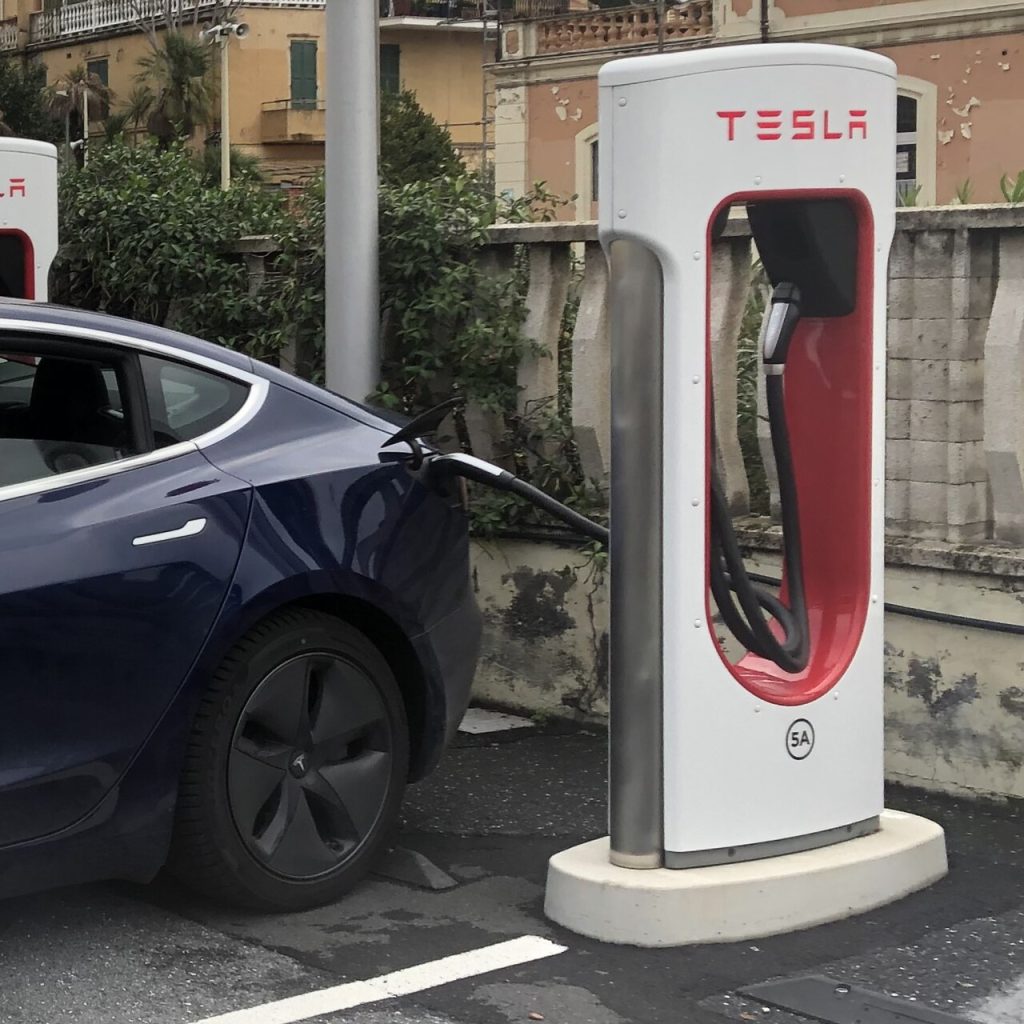
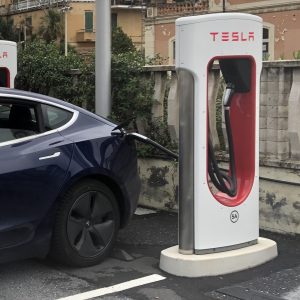
Electric vehicle charging stations are becoming increasingly necessary as San Antonio expands its EV infrastructure. This article outlines the planned stations and what they mean for local drivers.
Overview of Planned Charging Stations
The expansion of electric vehicle charging stations is gaining momentum in the San Antonio area, with plans for 24 new stations set to enhance the city’s infrastructure. These charging stations aim to support the growing number of electric vehicles (EVs) on the road, making it more convenient for drivers to charge their vehicles.
According to local officials, the installation of these stations is a critical step in promoting sustainable transportation and reducing carbon emissions. The planned locations for the charging stations include:
- Downtown San Antonio
- Major shopping centers
- Public parks
- Near popular tourist attractions
Each station will be equipped with fast-charging technology, allowing EV owners to quickly recharge their vehicles while they shop or enjoy local attractions. As the demand for electric vehicles continues to rise, the addition of these charging stations is expected to make owning an EV more appealing.
With the increased availability of electric vehicle charging stations, the city hopes to attract more environmentally conscious drivers and support the transition to cleaner energy sources.
Benefits of Electric Vehicle Charging
Electric vehicle charging stations offer numerous benefits that can significantly enhance the experience of electric vehicle (EV) owners. Investing in these charging stations not only supports the growing demand for sustainable transportation but also provides practical advantages for users.
- Convenience: Having charging stations located throughout urban areas makes it easier for EV owners to recharge their vehicles, reducing range anxiety and increasing the likelihood of EV adoption.
- Cost Savings: Charging at home or at public stations can be more economical than traditional fuel, leading to lower overall transportation costs for consumers.
- Environmental Impact: Utilizing electric vehicles powered by renewable energy through these stations contributes to a reduction in greenhouse gas emissions, promoting a cleaner environment.
- Economic Growth: The installation of electric vehicle charging stations can stimulate local economies by creating jobs and attracting businesses focused on sustainability.
- Increased Property Value: Properties equipped with charging stations may see a rise in value, appealing to eco-conscious buyers and renters.
As more electric vehicle charging stations are planned, the benefits of adopting electric vehicles will continue to grow, fostering a shift towards greener transportation solutions.
Locations of New Charging Stations
As the demand for electric vehicles continues to rise, the development of electric vehicle charging stations is becoming increasingly important. In San Antonio, a recent announcement has revealed plans for 24 new charging stations scattered across the area. These locations aim to enhance accessibility and convenience for electric vehicle owners.
According to the latest map provided by city officials, the following neighborhoods will see the installation of these much-needed charging stations:
- Downtown San Antonio – A central hub for both residents and visitors.
- Stone Oak – A growing community with a high concentration of electric vehicle owners.
- Alamo Heights – Known for its affluent residents and commitment to sustainability.
- West San Antonio – A developing area that will benefit from increased charging options.
- Southtown – A vibrant neighborhood that embraces modern technology.
The strategic placement of electric vehicle charging stations across these diverse locations not only encourages the use of electric vehicles but also supports the transition to greener transportation options in the city.
How to Use EV Charging Stations
Using electric vehicle charging stations is a straightforward process, designed to be user-friendly for all EV owners. Here’s a simple guide on how to maximize your experience at these stations:
- Locate a Charging Station: Use mobile apps or built-in navigation systems to find nearby electric vehicle charging stations. Popular apps include ChargePoint, PlugShare, and Tesla’s Supercharger network.
- Check Availability: Before heading to a station, verify if the charger is available. Many apps provide real-time updates on station status.
- Connect Your Vehicle: Upon arrival, park your vehicle and connect it to the charging unit. Ensure that the connection is secure to initiate the charging process.
- Choose Your Charging Option: Depending on the station, you may have options for fast charging or standard charging. Select what best suits your needs.
- Monitor Charging Progress: Keep an eye on your vehicle’s charging status through your car’s display or the app. This will help you know when it’s time to unplug.
By following these steps, you can efficiently utilize electric vehicle charging stations and enjoy the convenience they offer.
Cost of Charging Your Electric Vehicle
The cost of charging your electric vehicle at designated stations can vary significantly based on several factors. One key aspect is the type of charging station used, as there are different levels available.
Generally, the costs for charging can be broken down into the following categories:
- Level 1 Chargers: These are the slowest charging options and typically found at home. Charging with these can be less expensive, often costing just a few cents per kilowatt-hour.
- Level 2 Chargers: Commonly located at public electric vehicle charging stations, they charge faster and may have varying fees. Users can expect to pay anywhere from $0.10 to $0.50 per kWh.
- DC Fast Chargers: These provide rapid charging options and are often found along highways. They can cost significantly more, sometimes up to $0.80 per kWh.
In addition to the electricity costs, some charging stations may impose a service fee, which can influence the overall expense. Therefore, while electric vehicle charging stations offer convenience, potential users should consider these costs when planning their charging needs.
Future of Electric Vehicles in San Antonio
The future of electric vehicles in San Antonio looks promising as the city prepares to expand its network of electric vehicle charging stations. With a growing focus on sustainability and reducing carbon emissions, the adoption of electric vehicles (EVs) is expected to rise significantly in the coming years. This shift is fueled by several factors, including advancements in battery technology, government incentives, and an increasing number of charging stations.
As planned charging stations begin to roll out across the area, residents can expect greater accessibility and convenience for charging their electric vehicles. The city aims to enhance the infrastructure to support not only private EV owners but also businesses looking to invest in electric fleets. This strategic move is anticipated to attract more EV brands and manufacturers, further solidifying San Antonio’s position as a leader in the green transportation movement.
In addition to the environmental benefits, the expansion of electric vehicle charging stations can stimulate local economies by creating jobs and attracting eco-conscious consumers. As the infrastructure develops, it will be essential for residents and visitors to embrace this transition towards a more sustainable future.
Community Impact of EV Stations
The introduction of electric vehicle charging stations in communities has generated a mix of excitement and concern among residents. On one hand, proponents argue that these stations contribute to a greener environment and promote the use of sustainable transportation. On the other hand, some community members worry about the potential impact on local infrastructure and traffic patterns.
One significant benefit of installing electric vehicle charging stations is the potential for economic growth. These stations can attract visitors and encourage them to spend at local businesses. The presence of charging stations may also enhance property values, as more residents seek homes near these environmentally-friendly amenities.
However, community impact extends beyond economic considerations. There are concerns about:
- Traffic congestion: Increased usage may lead to crowded areas around charging stations.
- Electrical grid strain: Higher demand for electricity could challenge local utilities.
- Equity issues: Ensuring equal access to charging stations in all neighborhoods is crucial for widespread adoption.
Overall, the community impact of electric vehicle charging stations requires careful planning and consideration to maximize benefits while addressing potential challenges.
Government Incentives for EV Owners
As the popularity of electric vehicles (EVs) continues to grow, governments are stepping up to support EV owners through various incentives aimed at promoting the use of electric vehicle charging stations. These incentives can significantly offset the costs associated with purchasing and installing charging stations, making the transition to electric vehicles more accessible for many individuals and businesses.
Some common government incentives include:
- Tax Credits: Many states offer tax credits for the installation of home charging stations, which can help reduce the overall expense.
- Grants and Rebates: Local governments may provide grants or rebates for businesses that install charging stations, encouraging wider adoption.
- Reduced Electricity Rates: Some utility companies offer lower rates for charging during off-peak hours, making it more economical for EV owners.
- Access to HOV Lanes: In certain regions, EVs are allowed to use high-occupancy vehicle lanes, providing a time-saving benefit.
These incentives not only make electric vehicle charging stations more appealing but also contribute to a growing network that supports sustainable transportation options for the community.
via Wikimedia Commons
References
Yahoo · Electric vehicle charging stations
Related reading
Hero Xtreme 250R price: Best Proven Value in 2025 · Renault Duster Hybrid: The Best Smart Choice for Eco-Friendly Drivers · Tesla Roadster launch: The Worst Missed Details Revealed