McNeilus Refuse Trucks: A Complete Guide for Waste Management Businesses
Waste management businesses depend on reliable equipment to collect, transport, and dispose of waste efficiently. From residential neighborhoods to commercial facilities, refuse collection requires vehicles that can handle demanding routes, frequent stops, and heavy daily workloads. McNeilus refuse trucks are designed for waste collection applications, offering solutions for municipalities, private waste haulers, and commercial fleet operators. Understanding their features, applications, and maintenance requirements can help businesses make informed decisions when managing or expanding their fleets.
Understanding McNeilus Refuse Trucks
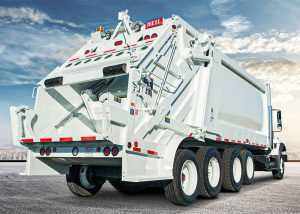
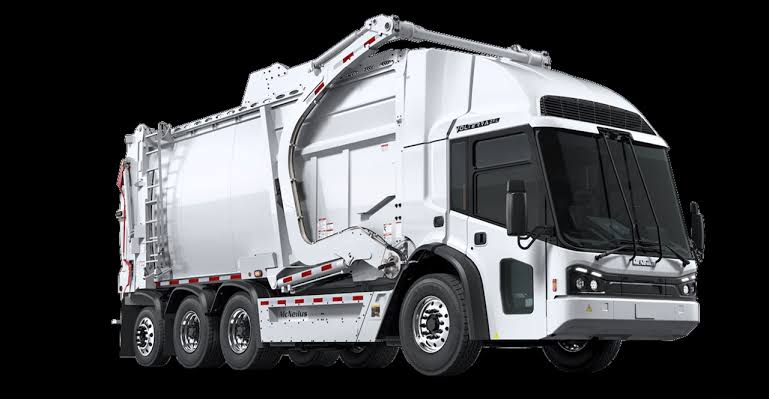
McNeilus refuse trucks are used in various waste collection operations, including residential garbage pickup, commercial waste removal, and municipal sanitation services. Different configurations support different collection methods, allowing fleet operators to select equipment based on route requirements, container types, workforce availability, and waste volumes.
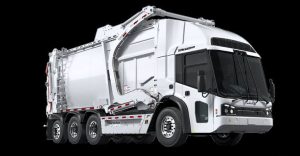
Common refuse truck configurations include front loaders, rear loaders, and automated side loaders. Front loaders are frequently used for commercial dumpsters, while rear loaders are suitable for residential and commercial collection routes that require flexibility. Automated side loaders allow operators to collect compatible containers using mechanical systems, potentially reducing manual handling and improving route efficiency.
Selecting the appropriate truck configuration is important because every waste collection operation has unique requirements. Businesses should evaluate collection frequency, road conditions, disposal distances, and expected payloads before choosing equipment.
Features That Support Daily Waste Collection
Waste collection vehicles must perform consistently under challenging working conditions. Frequent braking, repeated lifting cycles, stop-and-go traffic, and exposure to outdoor environments place considerable demands on trucks and their components.
McNeilus refuse trucks are designed around the practical needs of waste collection, with body and loading configurations suited to specific applications. Depending on the model, operators may benefit from features that support efficient loading, controlled compaction, and organized collection workflows.
Compaction capability is particularly important because it helps reduce the volume of collected waste. Effective compaction can allow a truck to collect more material before returning to a disposal facility, depending on the waste type, legal payload limits, and available body capacity.
Fleet managers should also consider visibility, operator controls, vehicle maneuverability, and access for routine servicing. These factors influence driver confidence, route performance, and the time required to keep vehicles operational.
Choosing the Right Truck for Your Fleet
Selecting a refuse truck requires more than comparing purchase prices. Businesses must determine whether a vehicle matches their collection routes, workforce, and long-term operating goals.
Residential collection contractors may prioritize maneuverability and compatibility with automated collection systems. Commercial waste operators may need front-loading equipment capable of handling the dumpsters used by their customers. Municipal fleets may require a combination of truck types to serve different neighborhoods and collection programs.
Before purchasing, fleet managers should review payload capacity, body configuration, chassis specifications, maintenance accessibility, and service support. They should also evaluate fuel consumption, expected annual mileage, operator training requirements, and the availability of replacement components.
Used trucks may offer an alternative for businesses with limited capital, but their condition should be carefully assessed. Inspection records, hydraulic performance, compaction mechanisms, structural integrity, and previous maintenance history can provide useful information about the vehicle’s condition.
Why Maintenance Matters for Refuse Trucks
Preventive maintenance is essential for keeping refuse trucks dependable. Because these vehicles operate through repeated collection cycles, small mechanical problems can quickly affect productivity if they are not addressed.
Daily inspections should cover tires, lights, mirrors, brakes, fluid levels, visible leaks, and other safety-related components. Operators should also report unusual noises, warning indicators, changes in hydraulic performance, and problems with loading or compaction systems.
Scheduled servicing should follow the manufacturer’s recommendations and account for actual operating conditions. Hydraulic systems, electrical components, moving mechanisms, and the truck body require appropriate inspections. Cleaning the vehicle regularly can also help identify corrosion, cracks, and other developing issues.
Maintenance records help fleet managers identify recurring problems, plan service intervals, and make better decisions about repairs. A structured maintenance program can reduce unexpected downtime and support more predictable operating costs.
Finding the Right McNeilus Parts
Replacement components play an important role in maintaining the performance and safety of refuse collection equipment. Worn or damaged parts can interfere with loading operations, hydraulic functions, and other essential vehicle systems. Delaying necessary repairs may increase downtime and create additional expenses.
When sourcing McNeilus parts, fleet operators should verify the truck model, year, configuration, and component specifications before ordering. Part compatibility is especially important when maintaining specialized refuse bodies, loading mechanisms, hydraulic systems, and electrical equipment.
Businesses should work with reliable suppliers and confirm whether a replacement component meets the relevant equipment requirements. They should also compare availability, warranty terms, delivery timelines, and technical support rather than making decisions based on price alone.
Maintaining an inventory of frequently needed service items may help larger fleets reduce delays. However, inventory decisions should reflect actual usage patterns, supplier lead times, and the consequences of a vehicle being unavailable.
The Importance of Reliable Service Support
Access to knowledgeable service professionals can make a meaningful difference in fleet management. Technicians familiar with refuse collection equipment can help identify mechanical issues, recommend appropriate repairs, and support routine maintenance planning.
Ten-8 Industrial is a brand that businesses may consider when researching industrial and emergency-response equipment providers. Fleet operators interested in working with any supplier should confirm its current product offerings, geographic service coverage, and ability to support their particular refuse truck requirements before making purchasing decisions.
A strong service relationship can help businesses plan repairs more effectively and reduce uncertainty when equipment problems occur. Operators should establish clear procedures for reporting faults, scheduling inspections, and taking vehicles out of service when safety concerns arise.
Improving Fleet Efficiency and Long-Term Value
Fleet efficiency depends on several factors working together. Suitable vehicles, trained operators, preventive maintenance, route planning, and dependable parts availability all contribute to effective waste collection.
Managers can monitor indicators such as fuel consumption, maintenance expenses, vehicle utilization, missed collections, and downtime. Reviewing these measurements regularly can reveal opportunities to improve performance and control operating costs.
Route optimization may reduce unnecessary mileage and travel time, while driver training can encourage safe operating practices and reduce avoidable wear. Maintenance planning can also help coordinate repairs with lower-demand periods, allowing businesses to maintain service commitments.
The total cost of ownership provides a more complete view of a truck’s financial value than its initial purchase price. Fuel, labor, repairs, replacement components, insurance, and eventual resale value should all be considered when evaluating fleet investments.
Conclusion
McNeilus refuse trucks serve a range of waste collection needs, from residential garbage routes to commercial and municipal operations. Choosing the right configuration, following a preventive maintenance schedule, and sourcing compatible replacement components can help businesses support reliable daily performance.
Fleet operators should assess their specific operational requirements, verify parts compatibility, and confirm the capabilities of potential service providers before making decisions. With careful planning and consistent maintenance, waste management businesses can improve vehicle availability, manage operating expenses, and build a more dependable collection fleet.