Battery waste recovery: Is it the best solution for India?
Battery waste recovery is crucial for India’s sustainable future. Discover why a certified network is needed now.
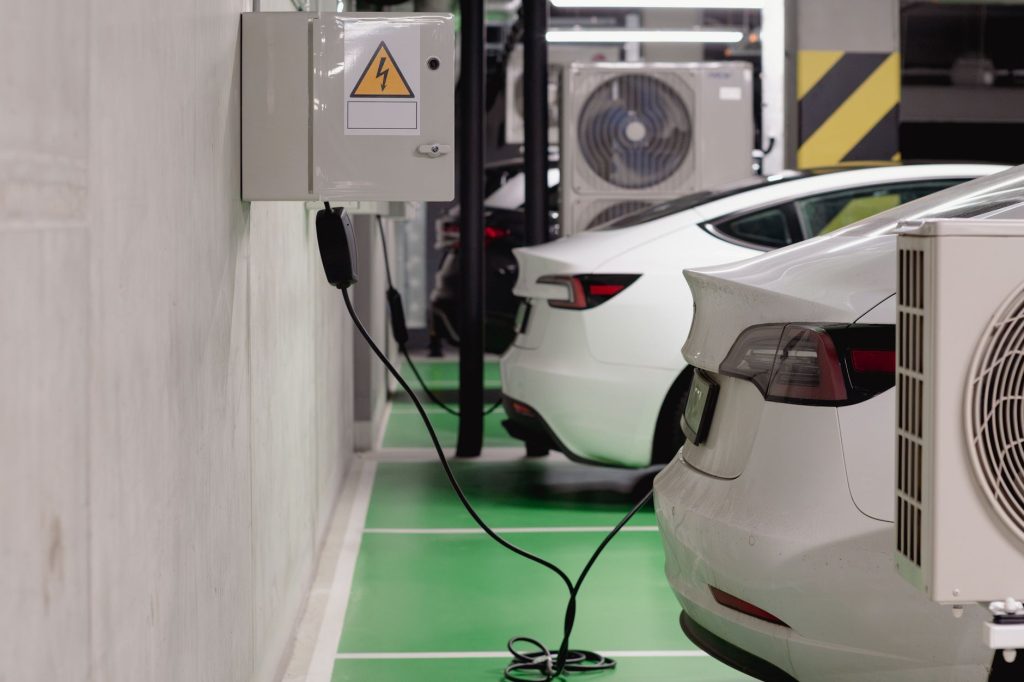
battery waste recovery is becoming increasingly important in India as the country seeks sustainable solutions for its growing electric vehicle market. The need for a certified recovery network is more pressing than ever.
Understanding Battery Waste
As India embraces a rapidly growing demand for batteries, particularly for electric vehicles and renewable energy storage, the issue of battery waste recovery becomes increasingly critical. Batteries contain valuable materials, such as lithium, cobalt, and nickel, which can be recycled and reused. However, improper disposal can lead to environmental hazards, including soil and water contamination.
Understanding battery waste is essential for developing effective recovery solutions. The lifecycle of a battery typically involves:
- Production: The extraction of raw materials and manufacturing of batteries.
- Usage: The operational phase where batteries are utilized in various applications.
- End-of-life: When batteries are no longer functional and require disposal or recovery.
In India, the lack of a structured battery waste recovery system poses significant challenges. Many batteries end up in landfills, causing environmental damage. To mitigate this, establishing a certified recovery network is crucial. This would not only enhance recycling rates but also transform battery waste into a valuable resource, contributing to a circular economy. The potential benefits of battery waste recovery extend beyond environmental protection to economic opportunities as well.
The Importance of Recycling
The importance of recycling battery waste cannot be overstated, particularly in a country like India, where the demand for batteries is rapidly increasing. As more electronic devices and electric vehicles hit the market, the corresponding rise in battery waste poses a significant environmental challenge.
Recycling battery waste recovery offers a promising solution to mitigate these issues. It not only helps in reducing the harmful effects of toxic materials found in batteries but also allows for the recovery of valuable resources. This process enables the extraction of metals such as lithium, cobalt, and nickel, which can be reused in new battery production.
Moreover, establishing a certified recovery network in India can enhance the efficiency of battery waste management. A robust recycling framework can:
- Reduce landfill waste: Proper recycling diverts hazardous materials away from landfills.
- Conserve natural resources: Recovered metals decrease the need for mining, preserving ecosystems.
- Promote a circular economy: By reusing materials, we can create sustainable economic opportunities.
In conclusion, effective battery waste recovery is not just an environmental imperative but also an economic opportunity for India.
How India Can Lead in Recovery
India stands at a crucial juncture in the realm of battery waste recovery, presenting an opportunity to establish itself as a leader in sustainable practices. By implementing a structured and certified recovery network, the country can turn battery waste into a valuable resource, significantly benefiting both the environment and the economy.
To achieve this, several steps must be taken:
- Establishing Regulatory Frameworks: The government should develop stringent regulations that mandate proper disposal and recycling of batteries, ensuring compliance from manufacturers and consumers alike.
- Investment in Technology: Innovative recycling technologies can enhance the efficiency of recovery processes, allowing for the extraction of valuable materials such as lithium, cobalt, and nickel.
- Public Awareness Campaigns: Educating the public about the importance of battery waste recovery can encourage responsible disposal and recycling practices.
- Collaboration with Industry: Partnering with battery manufacturers and recycling companies can foster a circular economy, where waste is minimized and resources are maximized.
By focusing on these strategies, India can not only address the challenges of battery waste but also set a global benchmark for recovery practices.
Challenges in Battery Disposal
The rapid growth of the electric vehicle market in India has raised significant concerns regarding the disposal of battery waste. As the country shifts towards greener alternatives, the challenge of managing battery waste recovery becomes increasingly critical. Several key issues hinder effective disposal practices:
- Lack of Infrastructure: Currently, India lacks a robust infrastructure for the collection and recycling of used batteries, leading to improper disposal methods.
- Regulatory Gaps: The absence of stringent regulations and guidelines makes it difficult to enforce proper disposal protocols, allowing harmful practices to persist.
- Public Awareness: Many consumers remain unaware of the environmental impact of battery waste, resulting in low participation in recycling programs.
- Economic Viability: The cost associated with recycling battery materials can be high, deterring companies from investing in recovery initiatives.
Addressing these challenges is essential for India to transition towards a sustainable future. By enhancing battery waste recovery efforts, the country can not only mitigate environmental risks but also transform waste into valuable resources, contributing to a circular economy.
Benefits of a Certified Network
The establishment of a certified network for battery waste recovery in India presents numerous advantages that can significantly contribute to environmental sustainability and economic growth.
One of the primary benefits is the reduction of environmental hazards. Proper recovery processes ensure that toxic materials found in batteries are safely handled, thereby minimizing pollution and health risks associated with improper disposal.
Additionally, a certified network can enhance recycling efficiency. By streamlining collection and processing systems, resources can be reclaimed more effectively, transforming waste into valuable materials that can be reused in new battery production.
Furthermore, this initiative can create job opportunities in the recycling sector. As demand for battery waste recovery increases, new roles can emerge in collection, sorting, and processing, contributing to local economies.
Lastly, a robust recovery network can foster public awareness. Educating citizens about the importance of battery waste recovery can lead to higher participation rates in recycling programs, ultimately enhancing the overall effectiveness of waste management efforts.
In summary, a certified network for battery waste recovery not only addresses environmental concerns but also paves the way for innovation and growth in India’s sustainability efforts.
Innovations in Battery Recovery
Innovations in battery recovery are rapidly transforming the landscape of battery waste management in India. As the nation grapples with the escalating issue of battery waste, new technologies and methodologies are emerging to enhance recovery processes. These innovations not only mitigate environmental impact but also turn battery waste into a valuable resource.
One of the most promising advancements is the development of advanced recycling techniques that improve the efficiency of extracting precious metals and materials from used batteries. Technologies such as hydrometallurgical and pyrometallurgical processes are gaining traction, allowing for higher recovery rates and lower energy consumption.
Moreover, the integration of artificial intelligence and machine learning in sorting and processing battery waste is paving the way for more effective recycling operations. These technologies can optimize the recovery process, ensuring that valuable materials are not lost and making the entire system more sustainable.
Additionally, collaboration between government bodies, private companies, and research institutions is fostering innovation in battery waste recovery. By establishing a certified recovery network, India can not only address the challenges of battery disposal but also lead the way in sustainable recycling practices. This ensures that battery waste recovery becomes a cornerstone of the nation’s environmental strategy.
Government Regulations and Policies
In recent years, the Indian government has recognized the pressing need for effective battery waste recovery strategies. As the country grapples with increasing electronic waste, regulations have been introduced to promote environmentally sound practices in battery disposal and recycling.
The Ministry of Environment, Forest and Climate Change has implemented guidelines that mandate producers to establish take-back systems for used batteries. This includes:
- Extended Producer Responsibility (EPR): Producers are required to take responsibility for the entire lifecycle of their batteries.
- Awareness Campaigns: Initiatives aimed at educating the public about proper disposal methods and the benefits of battery waste recovery.
- Collaboration with Local Authorities: Partnerships to streamline collection processes and improve recycling rates.
Furthermore, the introduction of stricter penalties for non-compliance is expected to encourage manufacturers to adopt sustainable practices. With these regulations in place, India has the potential to transform battery waste into a valuable resource, reducing environmental impact while fostering a circular economy. However, the success of these policies hinges on effective implementation and the establishment of a certified recovery network.
Future of Electric Vehicles in India
The future of electric vehicles (EVs) in India is closely tied to the effective management of battery waste recovery. As the country accelerates its transition to cleaner transportation, the demand for electric vehicles is expected to surge. According to recent studies, by 2030, India could have over 30 million electric vehicles on the road, significantly increasing the volume of batteries that will eventually need to be disposed of or recycled.
To address this challenge, a robust battery waste recovery system is essential. This system would not only prevent environmental pollution but also promote the sustainable use of resources. By recovering valuable materials from used batteries, India can reduce its dependence on imported minerals, boost local economies, and create job opportunities in the recycling sector.
However, achieving a successful battery waste recovery initiative requires collaboration among various stakeholders, including manufacturers, consumers, and government entities. Public awareness campaigns and incentives for recycling can encourage responsible disposal practices among EV owners.
Ultimately, the integration of battery waste recovery into India’s electric vehicle strategy will play a pivotal role in shaping a sustainable automotive future, ensuring that the benefits of EV technology are realized without compromising environmental health.
Photo by Jakub Zerdzicki on Pexels