Gas Prices Falling: Clear Reasons Behind the Drop
Gas prices falling below $4 is a significant trend affecting consumers. Discover the reasons behind this decline.
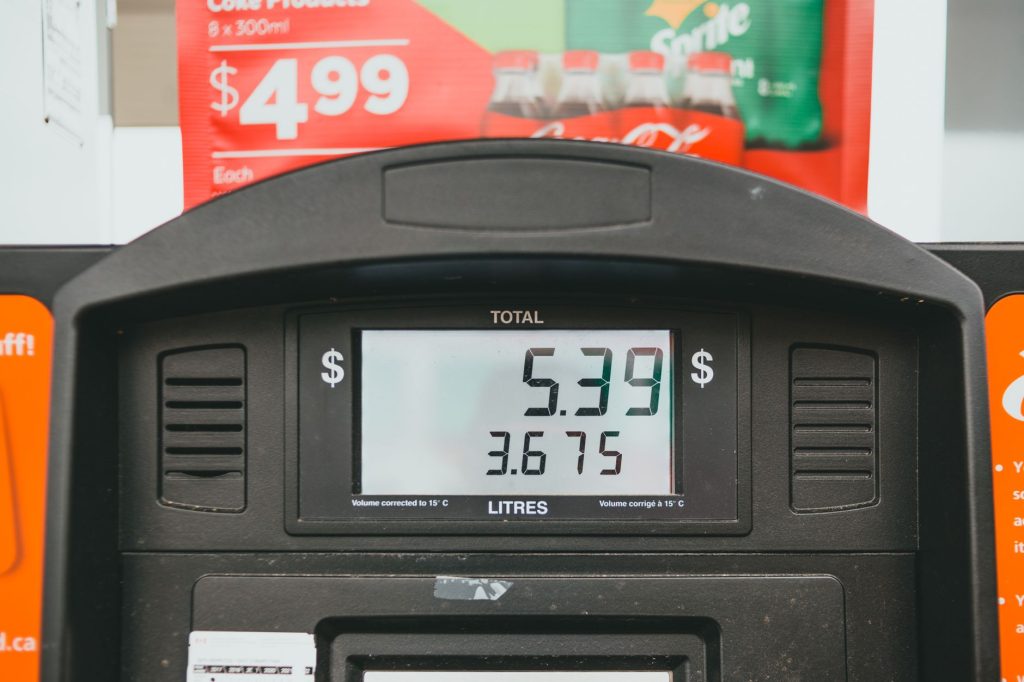
gas prices falling below $4 is a welcome relief for many drivers. This trend is not solely influenced by the upcoming election, as various factors contribute to the decrease.
Understanding Current Gas Price Trends
As gas prices falling draws attention across the nation, several factors contribute to this recent trend. Understanding the dynamics of the oil market can provide insight into why consumers are experiencing relief at the pump.
- Increased Supply: The production of crude oil has surged, particularly due to OPEC’s decision to boost output. This increase in supply directly impacts retail prices.
- Seasonal Demand: Typically, gas prices fluctuate with seasonal demand. As summer travel wanes, the demand for fuel decreases, leading to lower prices.
- Global Economic Factors: Economic uncertainties in major markets can lead to price adjustments. Recent slowdowns in demand from countries like China have contributed to a decline in oil prices.
- Refinery Operations: Improved refinery output has further alleviated supply constraints, ensuring that consumers benefit from the reduced costs.
These elements combined illustrate that the decline in gas prices is multifaceted and not solely influenced by political factors.
Factors Influencing Fuel Costs
The recent decline in gas prices is attributed to several key factors that have been influencing fuel costs across the country. As gas prices falling below $4 has become a notable trend, many are curious about the reasons behind this shift.
One significant factor is the change in global oil supply dynamics. Increased production from major oil-producing nations has contributed to a surplus, which in turn has driven down prices at the pump. Additionally, the slow recovery in demand post-pandemic has kept pressure on fuel costs.
Another aspect is the seasonal variations in fuel consumption. The end of the summer driving season typically leads to reduced demand, further contributing to lower prices.
Moreover, economic factors such as inflation rates and shifts in consumer spending have played a role. As consumers adjust their budgets, the demand for gasoline can fluctuate, impacting prices.
Overall, the combination of increased supply and seasonal demand factors has created a favorable environment for falling gas prices.
Impact of Global Events on Gas Prices
The recent trend of gas prices falling has been influenced by a variety of global events that have shaped the energy market. As these events unfold, they create ripples that impact fuel costs worldwide.
Some key factors contributing to the decline in gas prices include:
- Increased Oil Production: Major oil-producing countries have ramped up production, leading to a surplus of crude oil in the market.
- Geopolitical Stability: Recent diplomatic efforts in key regions have reduced tensions, allowing for more stable oil supply chains.
- Economic Shifts: Changes in global economic conditions, including decreased demand in certain markets, have played a role in lowering prices.
- Technological Advancements: Innovations in extraction and refining processes have improved efficiency, contributing to lower overall costs.
These factors combined have created an environment where gas prices are falling, providing relief for consumers and reshaping expectations for the future of energy costs.
The Future of Fuel Prices in 2024
As we look ahead to 2024, the landscape of fuel prices appears to be shifting. With gas prices falling below $4 in many regions, experts are considering various factors that could influence this trend moving forward.
One significant element is the potential stabilization of crude oil supplies. A more predictable supply chain could help maintain moderate fuel costs, benefiting consumers and businesses alike. Additionally, advancements in alternative energy sources could play a role in curbing the demand for traditional fossil fuels, potentially leading to more sustained drops in gas prices.
Another factor is the global economic outlook. If economies continue to recover from recent downturns, demand for fuel may rise again, which could counteract the current trend of falling prices.
In summary, while gas prices are currently experiencing a decline, several variables could influence their trajectory in 2024. Consumers and industry stakeholders alike will be closely monitoring these developments.
Experts attribute the recent gas prices falling to a combination of increased oil supply and reduced demand from consumers. As a result, many drivers are relieved to see gas prices falling at their local stations.
Photo by Erik Mclean on Pexels