Bengaluru Tech Summit: Best EV Charging Solutions Revealed
Bengaluru Tech Summit showcases innovative EV charging solutions and battery designs, but skills and supply chain gaps remain challenges.
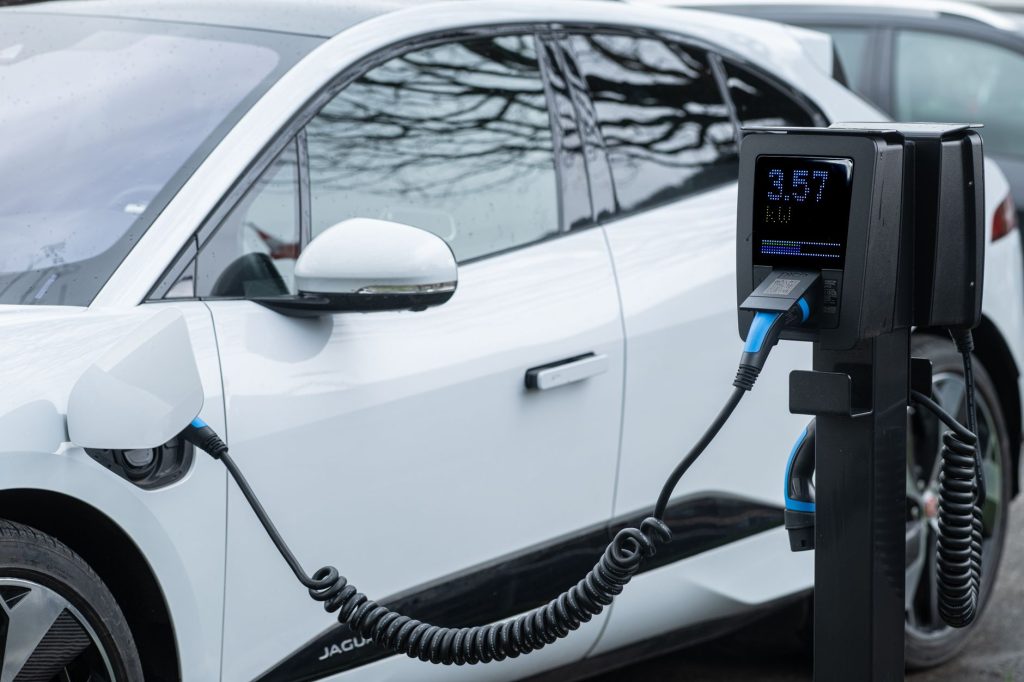
Bengaluru Tech Summit highlights the latest advancements in EV technology, including the Bengaluru Tech Summit showcasing 15-minute fast charging solutions.
Overview of the Bengaluru Tech Summit
The Bengaluru Tech Summit has emerged as a pivotal event showcasing the latest advancements in technology, particularly in the electric vehicle (EV) sector. This year’s summit highlighted innovative solutions to address the growing demand for EV charging infrastructure. Attendees were introduced to groundbreaking concepts, such as:
- 15-minute EV fast charging technology, aimed at significantly reducing downtime for EV users.
- Indigenous battery designs that promise to enhance energy efficiency and sustainability.
Despite these promising developments, industry experts noted that challenges remain. Skills shortages and supply chain gaps are hindering the rapid expansion of the EV market. As the Bengaluru Tech Summit continues to foster discussions among stakeholders, it is clear that addressing these barriers will be crucial for the future of electric mobility.
Innovations in EV Fast Charging
The Bengaluru Tech Summit showcased groundbreaking innovations in electric vehicle (EV) fast charging technology. Industry leaders unveiled solutions aimed at reducing charging times to as little as 15 minutes, making EV ownership more convenient and efficient.
Key highlights included:
- Advanced Charging Stations: New designs that integrate renewable energy sources, enhancing sustainability.
- Battery Technology: Indigenous battery solutions that promise greater efficiency and longer life cycles.
- Smart Charging Solutions: Integration with mobile apps for real-time availability and pricing updates.
Despite these advancements, experts noted that the sector still faces significant challenges, including skills shortages and supply chain issues. The discussions at the Bengaluru Tech Summit emphasized the need for collaboration among stakeholders to overcome these barriers and accelerate the adoption of EV technologies.
Challenges in EV Supply Chain
The Bengaluru Tech Summit highlighted significant challenges in the electric vehicle (EV) supply chain that hinder progress in the industry. Experts noted that while innovations in fast charging solutions are promising, there are persistent issues affecting the overall ecosystem.
- Raw Material Shortages: A lack of essential materials for battery production is creating bottlenecks.
- Logistical Issues: Transportation delays are impacting the timely delivery of components.
- Skilled Labor Shortage: The rapid growth of the EV sector demands a workforce with specialized skills, which is currently lacking.
As discussions at the Bengaluru Tech Summit revealed, addressing these challenges is crucial to enhancing the efficiency of the EV supply chain and ensuring the sector can meet future demands.
Indigenous Battery Designs Unveiled
At the Bengaluru Tech Summit, industry experts unveiled groundbreaking indigenous battery designs that promise to revolutionize the electric vehicle (EV) market. These innovative solutions are tailored to enhance battery efficiency and sustainability, addressing some of the most pressing challenges in the EV sector.
Key highlights from the presentations included:
- Advanced Materials: Utilization of locally sourced materials aimed at reducing dependency on imports.
- Performance Enhancements: New designs that significantly increase energy density and reduce charging times.
- Recycling Innovations: Strategies for repurposing old batteries, minimizing environmental impact.
While the indigenous battery designs showcased at the Bengaluru Tech Summit are promising, experts emphasized the need for skilled labor and robust supply chains to fully realize their potential in the growing EV market.
Skills Gap in the EV Sector
During the Bengaluru Tech Summit, industry experts highlighted a significant skills gap in the electric vehicle (EV) sector. Despite the advancements showcased in EV fast charging and innovative battery designs, the shortage of qualified professionals remains a critical challenge. This gap is not only affecting the manufacturing processes but also the implementation of cutting-edge technologies.
Key points discussed included:
- Insufficient training programs to prepare the workforce for evolving EV technologies.
- The need for collaboration between educational institutions and automotive companies.
- Strategies to attract talent to the growing EV sector.
The Bengaluru Tech Summit served as a platform to not only showcase innovations but also to address these pressing workforce issues that could hinder the sector’s progress.
Future of Electric Vehicles
The future of electric vehicles (EVs) is bright, as showcased at the Bengaluru Tech Summit. With advancements in technology and growing consumer demand, the EV market is set to expand rapidly. Industry leaders emphasized the need for sustainable practices and innovation to address existing challenges.
Key topics discussed included:
- Integration of Renewable Energy: Harnessing solar and wind energy to power charging stations.
- Smart Charging Solutions: Development of intelligent systems that optimize charging times and costs.
- Enhanced Infrastructure: Expansion of charging networks to ensure accessibility across urban and rural areas.
- Consumer Education: Initiatives to inform the public about the benefits of EVs and charging solutions.
As the Bengaluru Tech Summit highlighted, collaboration among stakeholders is crucial for realizing the full potential of electric vehicles in the coming years.
Impact of EV Technology on Environment
The impact of electric vehicle (EV) technology on the environment is a central theme at the Bengaluru Tech Summit. As cities grapple with pollution and climate change, the adoption of EVs presents a promising solution. Key benefits highlighted include:
- Reduction in Greenhouse Gas Emissions: EVs produce zero tailpipe emissions, contributing to cleaner air in urban areas.
- Decreased Noise Pollution: Electric motors operate more quietly than traditional combustion engines, leading to a more peaceful environment.
- Energy Efficiency: EVs convert a higher percentage of electrical energy from the grid to power at the wheels compared to gasoline vehicles.
However, challenges remain, such as ensuring sustainable sourcing of materials for batteries, which was also discussed at the summit. The Bengaluru Tech Summit continues to be a platform for addressing these critical issues.
Conclusion and Key Takeaways
In conclusion, the Bengaluru Tech Summit has highlighted significant advancements in the EV sector, showcasing innovative fast charging solutions and indigenous battery designs. However, the event also brought to light the critical challenges that the industry faces, particularly regarding the skills gap and supply chain issues.
Key takeaways from the summit include:
- Rapid advancements in EV fast charging technology, aiming for 15-minute charging times.
- A strong emphasis on developing indigenous battery solutions to enhance sustainability and reduce dependency on imports.
- The need to address the skills gap to ensure a well-trained workforce in the evolving EV landscape.
- Concerns about the impact of supply chain disruptions on the growth of the EV market.
Photo by smart-me AG on Pexels