Kitchen Deep Cleaning Services Florida – Customized Cleaning Plans for Restaurant Maintenance
Explore restaurant maintenance with customized kitchen deep cleaning services in Florida.
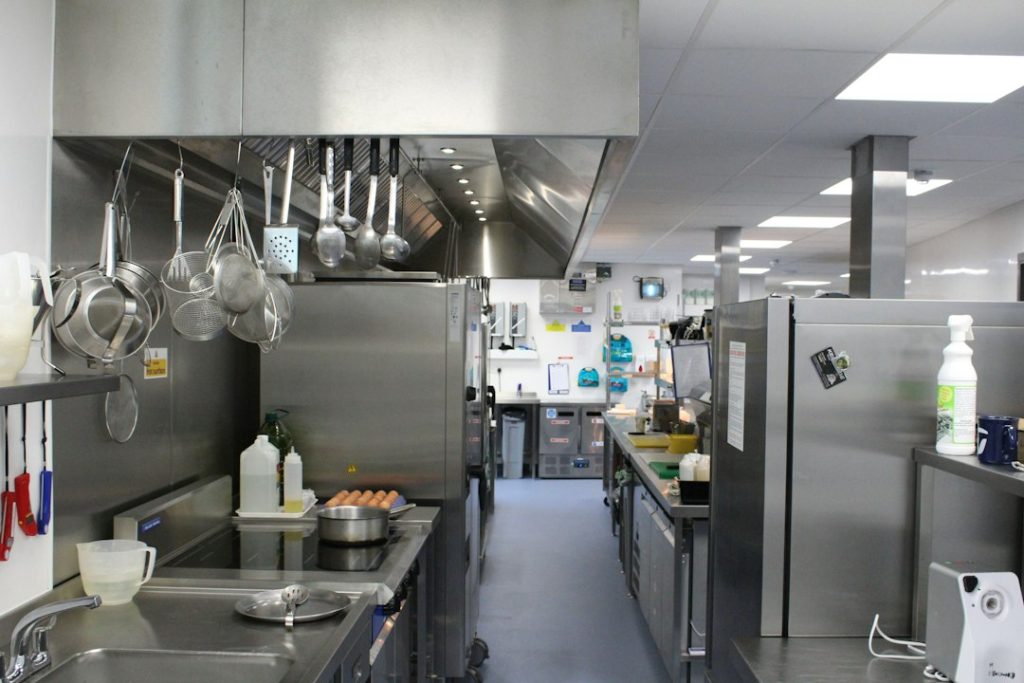
Every commercial kitchen has different cleaning requirements depending on its size, equipment, cooking volume, and daily operating schedule. Restaurants that prepare food continuously may experience heavy grease accumulation, frequent spills, and stubborn residue across multiple surfaces. Professional Kitchen Deep Cleaning Services Florida help restaurant owners maintain cleaner facilities through customized cleaning plans designed around their specific maintenance needs and operational demands.
Why Customized Kitchen Cleaning Plans Matter
A standard cleaning routine may not address every requirement of a commercial kitchen. Busy restaurants, catering facilities, and food preparation businesses use different appliances and workspace arrangements. Consequently, their cleaning priorities and maintenance schedules can vary.
A customized plan identifies the areas that require regular attention and those that need periodic deep cleaning. This approach helps restaurant managers organize cleaning activities, maintain equipment, and reduce the accumulation of difficult-to-remove dirt and grease.
Assess Kitchen Cleaning Requirements
The first step in developing an effective cleaning plan is evaluating the kitchen layout and its daily activities. Important considerations include the number of cooking appliances, preparation stations, washing areas, storage spaces, and flooring surfaces.
Restaurants with extensive frying operations may need more frequent grease removal around fryers, exhaust hoods, and surrounding walls. Facilities with high food preparation volumes may require additional attention to counters, sinks, cutting stations, and storage areas.
Understanding these requirements helps establish realistic cleaning priorities and schedules.
Maintain Cooking Equipment with Regular Cleaning
Commercial ovens, grills, fryers, ranges, and stovetops experience continuous exposure to heat, oil, and food residue. Without appropriate maintenance, grease and carbon deposits can accumulate on accessible surfaces and removable components.
A customized cleaning plan should identify which appliances require frequent attention and which need periodic detailed cleaning. Suitable products and methods must be selected according to manufacturer recommendations.
Sensitive components, including electrical connections, heating elements, and control panels, require careful handling. Proper procedures help protect equipment surfaces and support consistent maintenance.
Create Cleaning Schedules for Floors and Walls
Kitchen floors collect grease splashes, spilled ingredients, water, and dirt throughout operating hours. Walls and splashbacks may also develop stubborn grease marks and food stains.
A planned maintenance schedule helps ensure that these surfaces receive appropriate attention. Floor cleaning should include suitable methods for tile, concrete, and other commercial flooring materials.
Grout lines, corners, and areas around accessible equipment should also be included. Regular wall cleaning helps maintain a cleaner appearance and reduces accumulated cooking residue.
Include Ventilation and Exhaust Areas
Range hoods, filters, and ventilation components collect airborne grease and cooking particles. Their cleaning requirements depend on equipment design, cooking volume, and usage patterns.
Customized maintenance plans can establish suitable inspection and cleaning intervals. Exhaust systems may require specialized servicing according to applicable safety requirements and manufacturer recommendations.
Maintaining these areas is an important part of comprehensive restaurant facility management.
Address Food Preparation and Storage Areas
Preparation counters, sinks, refrigerators, freezers, shelves, and storage cabinets should be included in the cleaning schedule. These locations may collect food particles, moisture, and spills during daily operations.
Food-contact surfaces must be cleaned and sanitized using appropriate products according to label instructions. Refrigeration equipment should be cleaned carefully without compromising temperature control.
Organized storage areas also help employees maintain orderly food handling routines and locate supplies more easily.
Choose Suitable Cleaning Products and Procedures
Different kitchen materials require different cleaning approaches. Stainless steel, ceramic tiles, glass, concrete, and coated surfaces may respond differently to chemicals and abrasive tools.
A customized plan should specify suitable cleaning products and procedures for each area. Employees and cleaning professionals should follow product directions, use appropriate protective equipment, and avoid mixing incompatible chemicals.
Review and Adjust the Cleaning Schedule
Restaurant operations can change with seasonal demand, menu updates, staffing levels, and equipment usage. Cleaning schedules should be reviewed periodically to ensure that they continue meeting the facility’s requirements.
Managers can identify frequently neglected areas and adjust cleaning intervals when necessary. Consistent monitoring helps maintain practical cleaning routines without unnecessarily interrupting kitchen operations.
Support Long-Term Restaurant Maintenance
Customized cleaning plans help restaurant owners maintain equipment, protect surfaces, and create organized food preparation environments. Combining scheduled professional deep cleaning with daily housekeeping supports consistent cleanliness and more efficient kitchen maintenance.
A regular review of your restaurant’s cleaning requirements can help identify the most important areas for your next maintenance schedule.
Key Points
- Every commercial kitchen requires customized cleaning plans based on its specific maintenance needs and operational demands.
- Important factors in developing an effective cleaning plan include kitchen layout, daily activities, and the types of cooking appliances used.
- Regular cleaning of cooking equipment like ovens, grills, and fryers is essential to prevent grease and carbon buildup.
- Kitchen floors and walls require planned maintenance schedules to address grease, spills, and cooking residue accumulation.
- Ventilation and exhaust areas necessitate inspection and cleaning schedules tailored to equipment design and usage patterns.
- Cleaning schedules should be reviewed periodically to adapt to changes in restaurant operations and to ensure cleaning tasks are effectively meeting facility requirements.