Maruti Suzuki car prices: Are They Worth the Increase?
Maruti Suzuki car prices are rising again. Discover the reasons behind this increase and what it means for buyers.
Maruti Suzuki car prices have recently increased by 0.31%. This hike affects select models and raises questions about the impact on consumers and the market.
Reasons Behind the Price Hike
Maruti Suzuki has announced another increase in car prices, affecting several models with an average rise of 0.31%. This decision has raised questions among consumers regarding the worthiness of the Maruti Suzuki car prices in the current market.
Several factors contribute to this price hike:
- Rising Production Costs: The cost of raw materials has surged, compelling manufacturers to adjust their pricing strategies.
- Compliance with Regulations: New emission and safety standards require upgrades, leading to higher development costs.
- Market Demand: Increased demand for Maruti Suzuki vehicles has allowed the company to implement price adjustments without significant consumer backlash.
As consumers evaluate these reasons, the question remains: are the updated Maruti Suzuki car prices justified in light of these challenges?
Impact on Consumers
The recent increase in Maruti Suzuki car prices has left many consumers pondering the impact on their purchasing decisions. With select models seeing a rise of up to 0.31%, potential buyers are reassessing their budgets and priorities.
For many, the hike in prices could mean delayed purchases or opting for lower-priced alternatives. The implications of these changes stretch beyond just the immediate cost, affecting:
- Affordability: Higher prices may push some consumers out of the market.
- Resale Value: Increased prices could affect the depreciation rates of existing models.
- Market Competition: Other manufacturers might benefit as buyers seek more affordable options.
Ultimately, the question remains: are the new Maruti Suzuki car prices justified by the value offered, or are consumers left with fewer choices?
List of Affected Models
As Maruti Suzuki car prices continue to rise, several models have been directly impacted by the latest price hike. The following is a list of affected models:
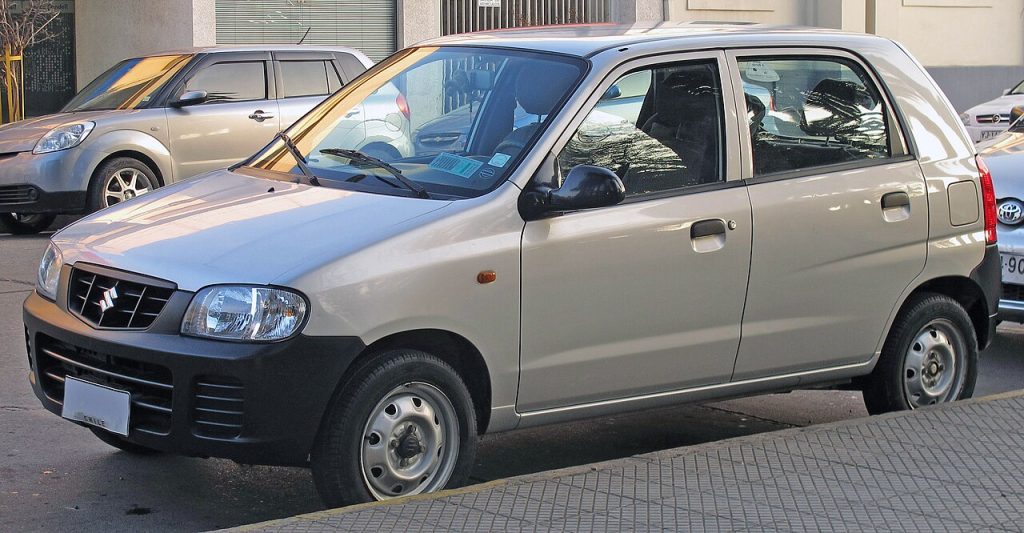
- Maruti Suzuki Alto: Known for its budget-friendly appeal, the Alto now sees an increase in its pricing.
- Maruti Suzuki Swift: This popular hatchback will also reflect the new pricing structure.
- Maruti Suzuki Baleno: The ever-popular Baleno will be among those experiencing a price adjustment.
- Maruti Suzuki Dzire: This compact sedan will now come at a higher cost, affecting many potential buyers.
- Maruti Suzuki Vitara Brezza: The SUV segment is not exempt, with the Vitara Brezza facing price changes.
With these adjustments, consumers will need to consider if Maruti Suzuki car prices align with their budget and preferences.
Market Reaction to Price Changes
The recent announcement regarding Maruti Suzuki car prices has sent ripples through the automotive market. Following the company’s decision to increase prices for select models by 0.31%, reactions from consumers and industry experts have been mixed.
Many potential buyers are voicing concerns about the affordability of these models, particularly in a time of rising living costs. Industry analysts suggest that the price hike could lead to a slowdown in sales, especially among budget-conscious consumers.
On the other hand, some experts argue that the increase in Maruti Suzuki car prices may be justifiable given the rising costs of raw materials and manufacturing. This has led to discussions about the long-term sustainability of the brand and its ability to maintain market leadership.
As the market continues to react, it remains to be seen how these changes will ultimately affect consumer behavior and sales figures.
Future Predictions for Car Prices
As the automotive market continues to evolve, analysts predict that Maruti Suzuki car prices may face further adjustments in the coming months. With factors such as inflation, increased production costs, and changing consumer preferences, manufacturers could see the need to reassess their pricing strategies.
Some industry experts believe that while price hikes are inevitable, they may vary significantly across different models. The demand for electric vehicles could also influence future pricing trends, as manufacturers invest in technology to meet regulatory standards and consumer expectations.
Additionally, global supply chain challenges may impact the availability of certain components, leading to further price increases for Maruti Suzuki models. Consumers are advised to stay informed about potential changes and consider their options carefully when shopping for a new vehicle.
- Economic factors affecting car prices
- Impact of electric vehicle demand
- Global supply chain issues
via Wikimedia Commons