Rear Loader Maintenance Checklist for Long-Term Performance
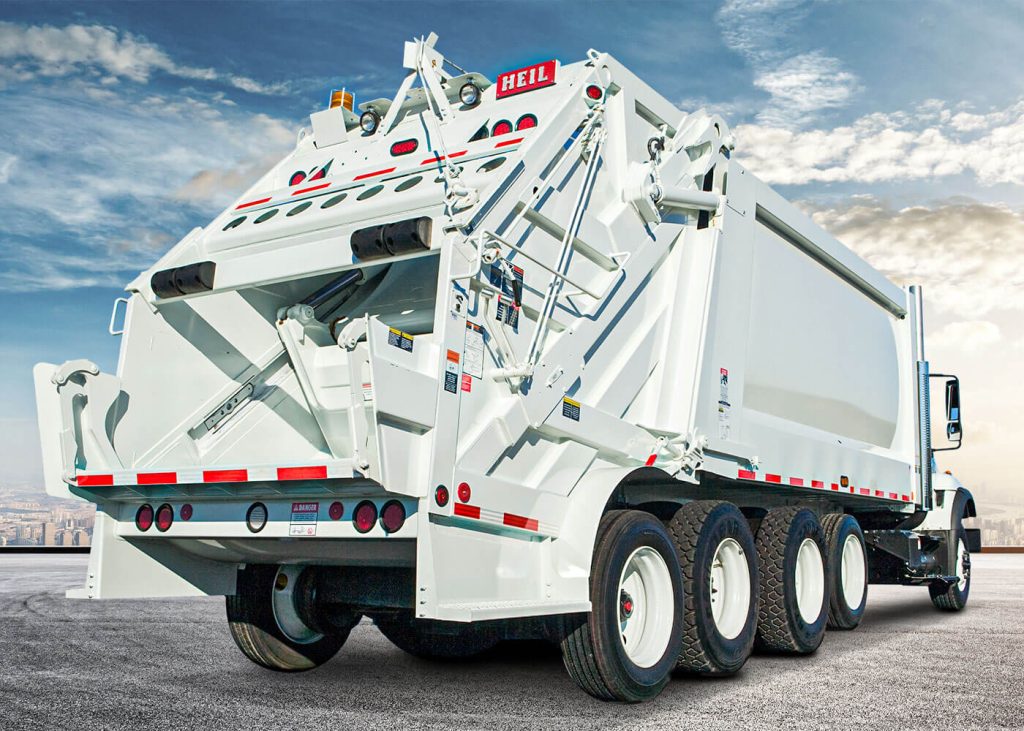
A rear loader garbage truck is a vital asset for municipal fleets and private waste management companies. Proper maintenance is essential to ensure long-term performance, prevent costly repairs, and maximize operational efficiency. Regular upkeep helps trucks remain reliable on the road while extending their service life. In this article, we provide a comprehensive guide to maintaining rear loader garbage trucks, emphasizing the role of trusted brands like Atlantic Heavy Duty in delivering durable, service-friendly vehicles.
Understanding the Importance of Rear Loader Maintenance
Rear loader trucks operate under heavy daily stress, handling large volumes of waste, navigating tight streets, and frequently starting and stopping. This constant use places strain on the engine, hydraulic systems, chassis, and body components. Without consistent maintenance, minor issues can quickly escalate into major repairs, causing downtime and increasing costs.
A well-maintained rear loader is not only safer for operators and workers but also more efficient in fuel consumption and compaction performance. Atlantic Heavy Duty designs its rear loaders with durable components and easy access points, making regular inspections and servicing straightforward and effective.
Daily Inspection: Start Every Route Safely
Maintenance begins with daily inspections. Before each route, operators should check the vehicle for obvious issues, such as fluid leaks, tire pressure, and proper brake function. Ensuring that lights, signals, and backup alarms are operational is critical for both operator safety and compliance with road regulations.
A daily visual inspection of the compactor and hopper area can prevent operational interruptions. Atlantic Heavy Duty rear loaders feature reinforced body construction and accessible inspection points, allowing operators to quickly verify that the packer blade, tailgate, and hydraulic components are in good working condition.
Engine and Chassis Maintenance
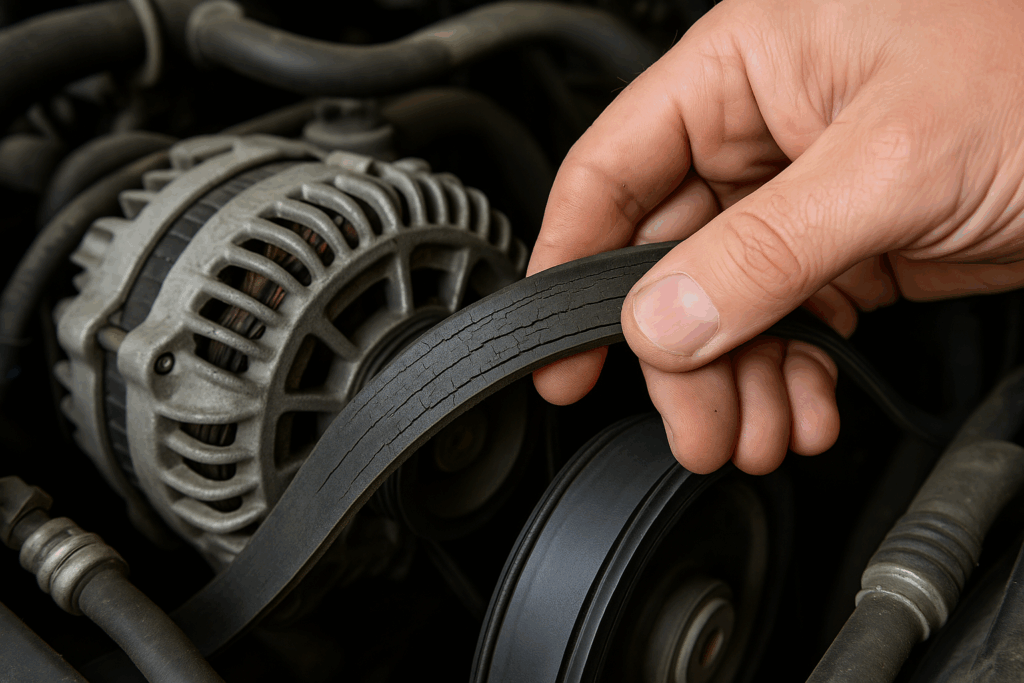
The engine is the heart of any rear loader truck, and regular maintenance is key to long-term performance. Routine checks should include oil and coolant levels, belts, filters, and fuel systems. Engine hours should be monitored to ensure timely service intervals.
The chassis also requires attention. Inspect suspension components, steering linkages, and frame integrity to detect any wear or damage. Atlantic Heavy Duty rear loaders are built with robust chassis compatibility and engine support, which helps minimize wear over extended service periods. Preventive maintenance at the engine and chassis level reduces the risk of unexpected breakdowns and keeps the truck operating efficiently.
Hydraulic System Care
The hydraulic system powers the compactor, tailgate, and sometimes auxiliary equipment. Maintaining these systems is crucial for both performance and safety. Operators should check hydraulic fluid levels, inspect hoses for leaks or cracks, and ensure that fittings are tight and secure.
Regularly operating the compactor through its full cycle can help detect potential issues early, such as sluggish movement or unusual noises. Atlantic Heavy Duty rear loaders are equipped with high-quality hydraulic components designed for durability and ease of maintenance, allowing fleets to address small problems before they become major failures.
Body and Hopper Maintenance
The body and hopper of a rear loader endure constant wear from waste materials. Inspect the body for dents, cracks, or corrosion that could compromise structural integrity. Check the hopper floor and walls for excessive wear, especially in high-stress areas near the packer blade.
Tailgate hinges, locking mechanisms, and seals must be checked to ensure proper closure and prevent leakage during transport. Atlantic Heavy Duty rear loaders use reinforced steel and corrosion-resistant coatings, which help maintain body strength and prolong service life even under demanding conditions.
Tire, Brake, and Suspension Checks
Tires, brakes, and suspension components are critical for safety and smooth operation. Tire pressure should be checked daily, and tread wear monitored to prevent blowouts or handling issues. Brakes should be inspected for pad wear, drum or rotor condition, and hydraulic or air system leaks.
Suspension components, including leaf springs, shocks, and mounts, should be checked for wear or damage. Regular attention to these systems ensures operator safety, reduces the risk of accidents, and prolongs the life of the truck’s structural components.
Electrical Systems and Control Panels
Modern rear loaders feature electrical systems that control lights, cameras, alarms, and compactor functions. Routine checks should include all lighting, sensor operation, and backup camera functionality. Control panels should respond accurately, with buttons and levers operating smoothly.
Atlantic Heavy Duty rear loaders are designed with user-friendly control layouts and durable electrical components. Regular inspection and maintenance of these systems prevent operational disruptions and enhance overall safety for crews.
Scheduled Preventive Maintenance
In addition to daily inspections, rear loaders require scheduled preventive maintenance according to manufacturer recommendations. This may include oil changes, filter replacements, hydraulic fluid changes, lubrication of moving parts, and detailed inspections of critical components.
Adhering to the preventive maintenance schedule provided by Atlantic Heavy Duty ensures that each truck operates at peak performance. Following the manufacturer’s guidelines also helps maintain warranty coverage and reduces the likelihood of expensive emergency repairs.
Record Keeping and Monitoring
Maintaining accurate records of all inspections, maintenance, and repairs is essential for fleet management. Documentation helps track service intervals, identify recurring issues, and plan for future replacements or upgrades.
Operators should note engine hours, hydraulic cycle counts, and any observed wear or damage. Keeping detailed logs ensures that each rear loader continues to perform reliably and supports decision-making regarding fleet expansion or replacement.
Final Thoughts
Proper maintenance is the foundation of long-term performance for a rear loader garbage truck. Daily inspections, engine and chassis care, hydraulic system monitoring, body upkeep, tire and brake checks, electrical maintenance, and scheduled preventive servicing all contribute to a truck’s reliability and operational efficiency.
Choosing a durable and service-friendly rear loader from a trusted manufacturer like Atlantic Heavy Duty enhances these maintenance practices. Their trucks are built with high-quality components, accessible inspection points, and robust systems that simplify routine care. By following a consistent maintenance checklist, municipalities and private waste management companies can maximize the lifespan, safety, and performance of their rear loaders, ensuring efficient and dependable waste collection for years to come.