Tesla Roadster launch: The Worst Delays Explained
Tesla Roadster launch reveals the worst delays and what to expect next.
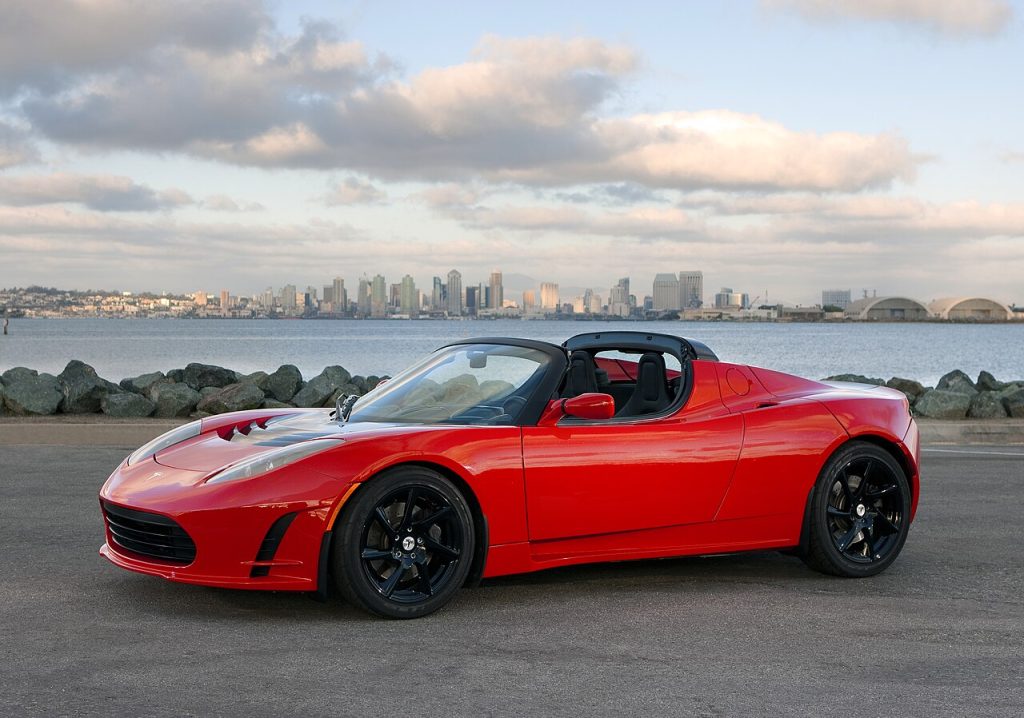
The Tesla Roadster launch has faced numerous delays, raising questions about its future. Understanding the Tesla Roadster launch is crucial for fans and potential buyers alike.
Introduction to the Tesla Roadster
The highly anticipated Tesla Roadster launch has been a topic of discussion for automotive enthusiasts and investors alike. Originally unveiled in 2017, the new Roadster promised to redefine the electric sports car market with its impressive specifications and cutting-edge technology. However, delays have plagued the project, leaving many wondering when they can expect to see this revolutionary vehicle on the roads.
Initially scheduled for production in 2020, the Roadster’s timeline has faced numerous setbacks due to various factors, including supply chain disruptions and the global pandemic. As Tesla continues to innovate and expand its product lineup, the focus on delivering a high-quality vehicle has contributed to the postponements.
Despite the delays, the excitement surrounding the Roadster remains strong. Key features that have captured the interest of the public include:
- Unmatched acceleration, capable of going from 0 to 60 mph in under 2 seconds
- A top speed exceeding 250 mph
- A range of over 600 miles on a single charge
- Advanced technology and design aimed at enhancing driver experience and safety
As Tesla continues to refine the Roadster, it is clear that the company is committed to delivering a product that meets the high expectations of its consumers. The hope is that the Tesla Roadster launch will soon become a reality, bringing with it a new era of electric performance vehicles.
Reasons for the Delays
The highly anticipated launch of the Tesla Roadster has faced numerous delays, leaving fans and investors eager for updates. Several factors contribute to these setbacks, each playing a significant role in the timeline of the project.
- Production Challenges: The complexity of manufacturing a high-performance electric sports car has proven to be more challenging than initially expected. Tesla aims to integrate cutting-edge technology, which requires precise engineering and testing.
- Supply Chain Issues: Like many companies, Tesla has experienced disruptions in its supply chain. The global semiconductor shortage has particularly affected the availability of critical components, delaying the production schedule.
- Focus on Other Models: Tesla has also prioritized the production of its other vehicles, such as the Model Y and Cybertruck. This shift in focus has diverted resources away from the Roadster, contributing to its postponed launch.
- Regulatory Hurdles: Navigating the regulatory landscape for new vehicles can be time-consuming. Ensuring that the Roadster meets safety and emission standards has required additional testing and compliance efforts.
Despite these challenges, Tesla remains committed to delivering the Roadster. Enthusiasts are hopeful that the company will overcome these obstacles and finally reveal the much-awaited model to the public.
Expected Features of the Roadster
The anticipated Tesla Roadster launch has generated much excitement among automotive enthusiasts, and for good reason. As the company prepares to unveil this high-performance electric vehicle, several expected features have captured the attention of potential buyers.
First and foremost, the Roadster is expected to offer astonishing acceleration. With a projected 0 to 60 mph time of under 2 seconds, it aims to be one of the fastest production cars ever made. This impressive performance is attributed to its advanced electric powertrain and lightweight design.
In addition to speed, the Roadster promises an extended range, making it a practical choice for both daily driving and long-distance travel. Tesla has hinted at a range of over 600 miles on a single charge, which would set a new standard in the electric vehicle market.
Another standout feature is the innovative interior design, which is expected to combine luxury with cutting-edge technology. Features may include a minimalist dashboard, a state-of-the-art infotainment system, and high-quality materials that ensure comfort and style.
Finally, Tesla is likely to incorporate advanced safety features, leveraging its extensive experience in autonomous driving technology. These innovations could include enhanced driver-assistance systems and robust crash protection.
As we await the Tesla Roadster launch, these features represent just a glimpse of what this revolutionary vehicle has to offer.
Impact on Tesla’s Brand
The prolonged delays surrounding the Tesla Roadster launch have raised concerns about their impact on Tesla’s brand image. As a company known for innovation and cutting-edge technology, these setbacks could tarnish the reputation that Tesla has built over the years.
Initially announced with much fanfare, the Roadster was expected to be a game-changer in the electric vehicle market. However, as the launch date has continually shifted, some enthusiasts and potential buyers have expressed frustration. This dissatisfaction could lead to a loss of trust among Tesla’s loyal customer base.
Several factors contribute to this situation:
- Consumer Expectations: Given Tesla’s prior successes, customers anticipated a timely release. The continuous pushbacks have led to skepticism.
- Competitor Advancements: Other automakers are rapidly advancing in the electric vehicle space, and Tesla risks falling behind if the Roadster continues to lag.
- Market Positioning: As the EV market becomes more saturated, maintaining a strong brand image is crucial. Delays may weaken Tesla’s competitive edge.
In conclusion, while the technology and features of the Roadster promise to impress, the negative perception fostered by these delays could have long-lasting effects on Tesla’s standing in the automotive industry.
Comparisons with Other Electric Cars
The Tesla Roadster launch has drawn attention not just for its groundbreaking specifications but also for the ongoing delays that have raised eyebrows across the automotive industry. To better understand the implications of these delays, it’s essential to look at how the Roadster compares to other electric cars on the market.
Many electric vehicles (EVs) have successfully made their way to consumers without the significant setbacks faced by Tesla. Consider the following examples:
- Porsche Taycan: Launched in 2019, the Taycan has been praised for its performance, with a 0-60 mph time of as little as 2.4 seconds. Its production went relatively smoothly, allowing Porsche to capitalize on the growing EV market.
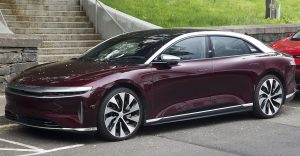
- Lucid Air: Despite its ambitious goals, Lucid managed to deliver its first vehicles in late 2021, showcasing a luxurious electric sedan with impressive range and performance metrics.
- Ford Mustang Mach-E: Ford’s entry into the electric segment saw a successful launch in late 2020, with strong sales driven by effective marketing and a solid production plan.
In contrast, the Tesla Roadster launch has faced multiple setbacks, causing potential buyers to question the brand’s reliability and production capabilities. As Tesla continues to work through these challenges, the competition is already establishing a foothold in the EV market, highlighting the stakes involved in the Roadster’s eventual release.
Future of Electric Vehicle Launches
The future of electric vehicle launches is increasingly shaped by the challenges faced by companies like Tesla. The highly anticipated Tesla Roadster launch has become emblematic of the difficulties in bringing new technology to market. As manufacturers strive to innovate while ensuring quality and safety, delays have become a common narrative in the industry.
The electric vehicle market continues to grow at an unprecedented rate, with numerous companies vying for consumer attention. In this competitive landscape, brands are not only racing against each other but also against time. Many manufacturers are learning that rushing to launch can lead to significant repercussions, including recalls and damage to reputation.
Some key factors impacting the future of electric vehicle launches include:
- Supply Chain Issues: Global supply chain disruptions have made it challenging to source materials necessary for production.
- Technological Advancements: As battery technology evolves, manufacturers may delay launches to incorporate the latest innovations.
- Consumer Expectations: Buyers are demanding more features and higher performance, putting pressure on companies to deliver superior products.
- Regulatory Challenges: Compliance with changing regulations can also lead to delays in bringing new models to market.
Ultimately, the future of electric vehicle launches, including the Tesla Roadster launch, will depend on how well manufacturers navigate these complex challenges while meeting consumer expectations.
The Tesla Roadster launch has faced numerous setbacks that have frustrated fans and investors alike. As the company navigates production challenges, the anticipation surrounding the Tesla Roadster launch continues to grow.
via Wikimedia Commons
Read the original
Related stories
Hyundai Bayon SUV India: The Best Launch Details Revealed · Himalayan 440 Price: The Best Deal for Indian Riders · Is the Mercedes GLC 400 Electric the Best New SUV?